Introduction: Sailing Through Living History
The Lamu Archipelago, a string of tropical islands off Kenya's northern coast, holds one of the East African coast's most enchanting secrets: the traditional dhow safari. These ancient sailing vessels, with their distinctive triangular lateen sails, have plied the Indian Ocean for over a thousand years, connecting Africa with Arabia, India, and beyond. Today, a dhow safari offers more than just a boat trip—it's a journey into a living maritime heritage, an eco-friendly exploration of pristine environments, and a profound cultural immersion. This comprehensive guide explores everything you need to know about experiencing this unforgettable adventure, from the rhythms of dhow life to the hidden gems of the archipelago.
Chapter 1: The Dhow – A Masterpiece of Maritime Heritage
Historical Significance
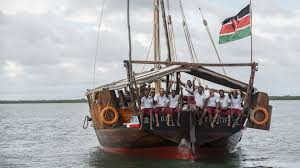
Dhows are not merely boats; they are floating museums of Swahili civilization. Their design, perfected over centuries, represents an ingenious adaptation to the monsoon winds (known locally as Kaskazi and Kusi) that dictated Indian Ocean trade patterns. The Lamu dhow, characterized by its sleek hull and massive lateen sail, is considered one of the most sophisticated traditional sailing vessels still in active use.
Construction and Design
Traditional Craftsmanship:
Built from mvule (iroko) or mango wood using techniques passed through generations
Constructed without blueprints—knowledge resides in the master builder's (fundi) memory
Pegged, not nailed, using handmade wooden dowels
Caulked with a mixture of coconut fiber and resin
Sails traditionally made from woven coconut palm matting, now often replaced with canvas
Types of Dhows in Lamu:
Jahazi: The classic ocean-going trading dhow, now adapted for safaris
Mashua: Smaller, faster vessel often used for fishing and shorter trips
Dau la Mwan: The "mother canoe"—a smaller dugout with sail
Ngalawa: Outrigger canoe with single sail, used for nearshore fishing
Chapter 2: The Lamu Archipelago – Your Sailing Playground
Key Islands and Destinations
Lamu Island:
Lamu Old Town: UNESCO World Heritage site with 14th-century origins
Shela Beach: 12km of pristine white sand backed by dunes
Takwa Ruins: 16th-century abandoned settlement on Manda Island opposite
Manda Island:
Manda Bay: Protected anchorage with luxury eco-lodges
Takwa Ruins: Accessible only by dhow at high tide
Ancient mosque ruins dating to the 9th century
Pate Island:
Siyu: Fortified town known for traditional sword-making
Faza: Historic settlement destroyed and rebuilt multiple times
Pate Town: Once dominant city-state, now sleepy village with magnificent ruins
Kiwayu Island:
Part of the Kiunga Marine National Reserve
Spectacular baobab-dotted landscapes
Excellent snorkeling and birdwatching
The Remote Islands:
Ndau Island: Secluded paradise with rare coconut crab populations
Mkokoni: Traditional fishing village at the archipelago's northern tip
Chapter 3: The Dhow Safari Experience – What to Expect
Daily Rhythms on a Dhow
Morning (6:00 AM - 12:00 PM):
Wake to the call to prayer from shore
Sunrise sail utilizing morning breezes
Snorkeling in pristine reefs before midday heat
Visit to a fishing village or historical site
Midday (12:00 PM - 4:00 PM):
Anchor in sheltered bay for lunch and siesta
Swims in crystal-clear waters
Reading or relaxing in shaded areas of dhow
Interaction with crew learning sailing techniques
Afternoon/Evening (4:00 PM - 8:00 PM):
Afternoon sail catching rising breezes
Dolphin watching during golden hour
Sunset views over the Indian Ocean
Anchor for night in protected bay
Fresh seafood dinner under stars
Accommodation Options
Traditional Dhow Safaris:
Sleep on deck under mosquito nets and stars
Mattresses and bedding provided
Bucket showers (refreshing seawater followed by freshwater rinse)
Basic but charming toilet facilities
Lodge-Based Dhow Safaris:
Day sailing with nights spent in island lodges
Combination of adventure and comfort
Access to amenities like swimming pools and spas
Luxury Dhow Cruises:
Modernized dhows with ensuite cabins
Chef-prepared gourmet meals
Solar-powered charging points
Higher crew-to-guest ratios
Chapter 4: Practical Planning Guide
Best Time to Visit
High Season (July-October & December-January):
Dry season with consistent northeast monsoon (Kaskazi) winds
Excellent sailing conditions
Clear waters for snorkeling
Higher prices and more visitors
Shoulder Season (November & February-March):
Good weather with fewer crowds
Inter-monsoon periods with variable winds
Lower rates available
Low Season (April-June):
Long rains and southeast monsoon (Kusi)
Challenging sailing conditions
Many operators closed
Dramatic skies and lush landscapes
What to Pack
Essential Items:
Light cotton clothing (shoulders/knees covered for village visits)
Swimsuit and quick-dry towel
Reef-safe sunscreen and biodegradable toiletries
Hat with tie (wind-proof!)
Polarized sunglasses
Waterproof bag for electronics
Recommended Extras:
Snorkeling mask (though often provided)
Binoculars for bird and dolphin watching
Swahili phrasebook
Musical instrument for evening entertainment
Gifts for village children (school supplies, not candy)
Health and Safety
Medical Preparations:
Malaria prophylaxis essential
Yellow fever vaccination certificate required
Comprehensive travel insurance with medical evacuation
Basic first aid kit including seasickness remedies
Safety Considerations:
Choose operators with safety equipment (life jackets, VHF radio)
Check weather conditions before departure
Swim only where crew recommends (currents can be strong)
Secure valuables in waterproof containers
Chapter 5: Cultural Etiquette and Responsible Tourism
Interacting with Local Communities
Appropriate Behavior:
Dress modestly when visiting villages (shoulders and knees covered)
Ask permission before photographing people
Participate respectfully in cultural exchanges
Learn basic Swahili greetings (Jambo = Hello, Asante = Thank you)
Cultural Sensitivity:
Lamu is 99% Muslim—respect religious practices
Public displays of affection frowned upon
Alcohol consumption discreet in Muslim areas
Friday is prayer day—some shops/services limited
Responsible Tourism Practices
Environmental Stewardship:
Use reef-safe sunscreen to protect coral
Never touch or stand on coral
Take all trash back to mainland disposal
Minimize plastic use—bring reusable bottles
Respect wildlife viewing distances
Supporting Local Economy:
Choose locally owned operators
Purchase crafts directly from artisans
Hire local guides for village tours
Tip crew appropriately (ask operator for guidelines)
Chapter 6: Beyond Sailing – Activities and Experiences
Water-Based Adventures
Snorkeling and Diving:
Kinyika Rock: Spectacular coral gardens with diverse marine life
Manda Toto: Channel with frequent turtle sightings
Kiunga Marine Reserve: Protected area with exceptional biodiversity
Night snorkeling: Witness bioluminescent plankton
Fishing Experiences:
Traditional line fishing with crew
Learn to throw a cast net
Big game fishing (marlin, sailfish, tuna) in deeper waters
Participate in catch-and-release practices
Other Water Activities:
Stand-up paddleboarding in calm bays
Kayaking through mangrove channels
Windsurfing when conditions permit
Swimming with dolphins (ethically, from a distance)
Land Explorations
Historical Sites:
Lamu Museum: Excellent introduction to Swahili culture
German Post Office: Colonial-era building with fascinating history
Swahili House Museum: Traditional architecture preserved
Donkey Sanctuary: Lamu's unique transportation system
Nature Experiences:
Birdwatching in mangrove forests (over 230 species recorded)
Walking tours of Lamu Old Town (no cars—only donkeys and feet)
Sunset dune climbs at Shela Beach
Visiting a local farm to see tropical fruit cultivation
Cultural Interactions:
Woodcarving workshop with master craftsmen
Swahili cooking class with local family
Henna painting with traditional designs
Evening of Swahili poetry (tenzi) and music (tarab)
Chapter 7: Photography and Documentation
Capturing the Experience
Best Photo Opportunities:
Sunrise/sunset sails with silhouetted dhows
The geometric patterns of Lamu's narrow streets
Traditional dhow construction in boatyards
Star trails from the deck at night
Vibrant markets and architectural details
Technical Considerations:
Bring dust-proof camera bags
Silica gel packets to combat humidity
Multiple memory cards and backup batteries
Polarizing filter for reducing water glare
Waterproof housing or action camera for snorkeling
Respectful Photography:
Always ask before photographing people
Consider trading prints for portraits
Be discreet in religious settings
Focus on candid moments rather than staged shots
Chapter 8: Booking Your Dhow Safari
Choosing an Operator
Questions to Ask:
How many years have you been operating?
What safety equipment do you carry?
What is the crew-to-guest ratio?
Can you provide references from past clients?
What is included/excluded in the price?
What is your environmental policy?
Types of Operators:
Local Family Operations: Authentic, personal, smaller scale
Specialized Safari Companies: Combined land/sea itineraries
Luxury Operators: High-end amenities and service
DIY Charters: Hiring dhow and crew independently
Sample Itineraries
3-Day Introduction:
Day 1: Lamu to Manda Bay with snorkeling and village visit
Day 2: Sailing to Kipungani with fishing and beach barbecue
Day 3: Return via mangrove channels and Takwa ruins
7-Day Archipelago Exploration:
Days 1-2: Lamu and surrounding islands
Days 3-4: Sail north to Kiwayu and Kiunga Reserve
Days 5-6: Explore Pate Island's historical sites
Day 7: Return to Lamu with final snorkeling stop
10-Day Cultural Immersion:
Extended time in Lamu Old Town
Multiple village stays and homestays
Participation in dhow maintenance or fishing
Specialized activities like woodcarving or cooking classes
Chapter 9: Costs and Budgeting
Price Ranges (2024)
Economy Safaris:
$100-150 per person per day
Basic amenities, sleeping on deck
Simple meals, shared facilities
Group departures with set itineraries
Mid-Range Options:
$200-350 per person per day
More comfortable bedding options
Better food and amenities
Some customization possible
Luxury Experiences:
$400-800+ per person per day
Ensuite cabins on modernized dhows
Gourmet dining, premium beverages
Highly personalized itineraries
Additional activities included
What's Typically Included
All meals and drinking water
Crew services and guiding
Snorkeling equipment
Park fees and permits
Accommodation as described
Common Additional Costs
Alcoholic beverages
Tips for crew (10-15% customary)
Additional activities not specified
Transport to/from Lamu
Travel insurance
Souvenirs and personal purchases
Conclusion: The Transformative Journey
A dhow safari in the Lamu Archipelago offers something increasingly rare in modern travel: an experience that moves at the pace of wind and tide, that connects you with centuries of maritime tradition, and that creates space for genuine reflection and connection. It's not merely a holiday but a journey through layers of history, culture, and natural beauty.
The slow rhythm of dhow life has a particular magic—the way time expands to fill the space between destinations, how conversations deepen without digital distractions, and how the simple elements of sun, sea, wind, and stars become the main events. You'll return with more than photographs; you'll carry the taste of fresh coconut, the sound of Swahili songs at sunset, the feel of monsoon winds, and the profound sense of having traveled not just through space, but through time.
As tourism evolves toward more sustainable, authentic experiences, the Lamu dhow safari stands as a model of how tradition and tourism can harmoniously coexist. By choosing this adventure, you're not just taking a trip—you're helping preserve a way of life, supporting local communities, and participating in a story that began a thousand years ago when the first dhows set sail from these shores.
Final Practical Tip: Allow at least one extra day in Lamu Town before or after your safari. Jet lag, travel delays, and the simple pleasure of adjusting to "Lamu time" make this buffer invaluable. Some of the most memorable moments happen not on the dhow itself, but in the quiet courtyards, rooftop cafes, and moonlit streets of this timeless town where the journey truly begins and ends.