Canada has emerged as one of the top destinations for Kenyan students seeking quality education, post-graduation work opportunities, and potential pathways to permanent residence. The Canada-Kenya relationship continues to strengthen, with both nations emphasizing educational cooperation and people-to-people ties. This comprehensive guide walks you through everything you need to know about studying in Canada from Kenya, from choosing your program to settling in upon arrival.
Why Study in Canada as a Kenyan Student?
Canadian institutions consistently rank among the world's best, offering globally recognized credentials that open doors internationally. For Kenyan students, Canada presents an attractive combination of high-quality education, a multicultural environment, and clear pathways to permanent residency.
The financial sector in Toronto, technology hubs in Vancouver, and diverse opportunities across provinces mean Kenyan graduates find their skills in demand. Canada's immigration system values the contributions Kenyan students make to its social and economic fabric. Between 2016 and 2021, over 3,400 Kenyans successfully immigrated to Canada through various programs, with international students forming a significant portion.
Step 1: Choose Your Program and Institution
Before beginning your application, research Canadian institutions thoroughly. Ensure your chosen school is a Designated Learning Institution (DLI) recognized by the Canadian government, as only DLIs can accept international students.
Key Considerations When Choosing a School
Program duration: Two-year diploma programs often provide better immigration outcomes than one-year certificates, as they qualify for three-year Post-Graduation Work Permits (PGWPs)
Location: Studying outside major cities like Toronto and Vancouver may open additional Provincial Nominee Program opportunities
Field of study: Programs in healthcare, technology, skilled trades, and engineering align with Canada's labor market needs
For Kenyan students interested in business education, Canadian MBA programs are particularly attractive. Institutions like the University of Toronto's Rotman School of Management, McGill University's Desautels Faculty of Management, and UBC's Sauder School of Business rank among the world's top business schools and offer specializations ranging from finance to entrepreneurship.
Step 2: Meet Admission Requirements
Canadian universities and colleges have specific admission requirements for international students. While these vary by institution, Kenyan students typically need:
A recognized bachelor's degree for graduate programs, or a secondary school certificate with competitive grades for undergraduate admission
GMAT or GRE scores for MBA and some graduate programs (minimums vary by university)
English language proficiency test scores (IELTS, TOEFL, or PTE)
Language Proficiency Requirements
Canadian institutions require proof of English or French proficiency. The most common tests accepted are IELTS and TOEFL. Many Kenyans have a natural advantage with English proficiency, often achieving scores of CLB 9-10 (equivalent to IELTS 7.0-8.0+), which earns maximum language points for immigration purposes.
Step 3: Apply to Your Chosen Institution
Once you've identified your target programs, prepare your application. Most universities allow online applications through their official portals. Required documents typically include:
Academic transcripts from all previous institutions
Letters of recommendation
A statement of purpose explaining your academic and career goals
Updated resume/CV
Proof of language proficiency
Application fee payment
Be mindful of application deadlines, which vary by institution and program. MBA programs often have multiple intake periods, but early application is always recommended.
Step 4: Receive Your Letter of Acceptance
After submitting your application, the institution will review your materials. If accepted, you'll receive a Letter of Acceptance (LOA)—the most critical document for your study permit application.
Important: If your acceptance is conditional (e.g., requiring completion of a prerequisite course), you can still submit your study permit application with the conditional LOA. However, the permit will not be issued until you provide unconditional acceptance documentation.
Step 5: Prepare Your Study Permit Application
The study permit is the official document allowing you to study in Canada. Applicants from Kenya must submit their applications to the High Commission of Canada in Nairobi, which processes applications for several East African countries including Ethiopia, Somalia, and South Sudan.
Key Documents Required
The Kenya-specific study permit application checklist requires the following original documents (with photocopies):
1. Valid Passport
Your passport must be valid for at least six months from your planned date of travel to Canada. DO NOT submit your original passport with the application initially, as you'll need it for the medical examination. Exception: Students from Mauritius must submit their passports with the application.
2. Two Passport Photos
Provide two recent photos (taken within the past six months), signed and dated, with your name and birth date written on the back.
3. Letter of Acceptance
Your LOA from the Canadian institution confirming tuition fees, living expenses, and course start date.
4. Study Plan
A one-page document answering:
Why do you wish to study in Canada in this specific program?
What is your overall educational goal?
Why are you not pursuing a similar program in Kenya?
What research have you conducted about study options in Kenya?
How will this program enhance your employment opportunities in Kenya?
What ties do you have to Kenya or your country of residence?
(If more than two years since full-time education) Your CV/resume
5. Proof of Current Studies
A current letter and transcript from your educational institution in Kenya.
6. Transcripts
Transcripts from your last academic year.
7. Proof of Sufficient Funds
This is the most critical financial requirement. As of January 1, 2024, international students must demonstrate at least CAD $20,635 for living expenses, in addition to tuition fees. Required documentation includes:
Bank statements or bank book covering the past three months
Any additional documents proving reliable source of funds (sponsor letters, scholarship awards, investments, rental income)
Proof of tuition payment (if already paid)
If sponsored by a third party: supporting documents (bank statements, employment), a letter explaining why they'll finance your studies, and birth certificates to prove relationship
If sponsor is in Canada: proof of legal status, employment proof, bank statement, and income tax summary
8. Other Documents
Completed and signed Application for Study Permit (form IMM 1294)
Family Information Form (IMM 5707)
Schedule 1 Form (Application for Temporary Resident Visa - IMM 5257B)
Birth certificates for minor children, if applicable
Any documentation demonstrating family, financial, employment, or property ties to Kenya to satisfy visa officers you will return after your stay
Self-addressed pre-paid return courier envelope for passport return
Documentary Evidence for Financial Capacity
Kenyan applicants face particular scrutiny regarding proof of funds. Data from 2021-2022 shows that insufficient finances accounted for more than 80% of study permit refusals for Kenyan applicants. To strengthen your application:
Provide a minimum of six months of bank statements showing consistent withdrawal and deposit history
Steady increments from clear sources are viewed more favorably than single large deposits
Property, jewelry, and other investments are not considered proof of funds but can demonstrate ties to Kenya
Consider purchasing a Guaranteed Investment Certificate (GIC) from a CDIC-insured financial institution—it's one of the most trusted forms of proof of funds
Step 6: Submit Your Application
Kenyan students can apply for a study permit online or on paper. However, applicants are strongly encouraged to apply online.
Online Application Process
Create an account on the Immigration, Refugees and Citizenship Canada (IRCC) website
Complete the application form carefully—validate the form before printing to ensure you've answered all questions
Upload required documents
Pay the fees online
Paper Application Process
If applying on paper, submit your application to the closest Visa Application Centre. In Kenya, applications are processed through the Canada Visa Application Centre (VAC) in Nairobi:
VFS Global Canada Visa Application Centre
Parkfield Building, 5th Floor, Muthangari Drive, Off Waiyaki Way
Opposite Safaricom House, Westlands, Nairobi
Application Fees (2026)
| Fee Type | Amount (CAD) |
|---|---|
| Study Permit | $150 |
| Biometrics Fee | $85 |
| Visitor Visa (if applicable) | $100 |
Step 7: Provide Biometrics
After submitting your application, you'll receive a Biometrics Instruction Letter (BIL) requesting your fingerprints and photo. You must schedule an appointment at the VAC in Nairobi within 30 days.
What to Bring to Your Biometrics Appointment
Appointment Confirmation Letter (printed copy from VFS Global)
Valid passport or travel document with at least two blank pages
Printout of completed visa application form (including two copies of 2D barcodes)
Biometric Instruction Letter
Two copies of passport bio-data page
VFS consent form (two copies)
Step 8: Medical Examination
Kenyan students must undergo a medical examination before traveling to Canada. The High Commission in Nairobi has specific requirements for medical testing, including a TB test certificate required if you plan to stay longer than 180 days.
You will need to visit an approved panel physician in Kenya. This examination is not part of the initial application—you'll be asked to complete it after your application has been processed.
Step 9: Wait for Processing
Processing Times from Kenya
Study permit processing times can vary significantly. Current estimates suggest:
Note: Visa officers may request additional documents or a personal interview during the review process.
Common Reasons for Refusal
Understanding why Kenyan applicants are refused can help you strengthen your application:
Insufficient financial resources (80%+ of refusals for Kenyan applicants)
Weak ties to Kenya—officers concerned you won't return after studies
Purpose of visit—officers unconvinced you genuinely plan to study
Missing or incorrect documents
To address these concerns:
Demonstrate strong family, employment, or property ties to Kenya
Provide comprehensive financial documentation
Ensure your study plan clearly connects your Canadian education to career goals in Kenya
Follow the checklist meticulously—missing documents cause delays and refusals
Step 10: Receive Your Passport with Visa
If your application is approved, you'll receive a Port of Entry (POE) Letter of Introduction. This letter authorizes you to travel to Canada. You'll also need to submit your passport to the VAC for visa stamping.
If refused, you'll receive a refusal notice explaining the reasons. You may reapply addressing these concerns, but no passport submission will be required.
Step 11: Prepare for Your Arrival
Once your study permit is approved:
Arrange accommodation—on-campus or off-campus housing
Book flights—Nairobi to major Canadian cities (Toronto, Vancouver, Montreal)
Obtain health insurance—Kenyan students won't need health insurance for the Canadian visa, but must secure coverage upon arrival
Pack important documents—travel with your passport, POE Letter, LOA, financial documents, and academic credentials
Plan your finances—ensure you have sufficient funds for the first few months
After Arrival in Canada
Upon arrival at a Canadian airport, you'll meet an immigration officer who will issue your study permit. Make sure you have:
Your valid passport
Your POE Letter of Introduction
Your LOA from the institution
Your study permit will be valid for the course duration plus an additional 90 days.
Working While Studying
As an international student with a valid study permit, you can:
Work up to 20 hours per week during academic sessions
Work full-time during scheduled breaks (including summer and winter holidays)
The Canadian Experience Class (CEC) pathway rewards Canadian work experience—after gaining one year of skilled Canadian work experience, you become eligible for this Express Entry stream, which typically has lower CRS score requirements.
Post-Graduation Work Permit (PGWP)
One of the most attractive features of studying in Canada is the PGWP, which allows graduates to stay and work in Canada:
Graduates of programs 8 months to 2 years: PGWP valid for the same duration as the program
Graduates of programs 2 years or more: PGWP valid for up to 3 years
Recent policy updates: Master's graduates remain eligible for three-year PGWPs, and only spouses of international students enrolled in master's, doctoral, and professional programs are eligible for open work permits.
Pathways to Permanent Residence
For many Kenyan students, studying in Canada is the first step toward permanent residence. Common pathways include:
Express Entry
The most popular pathway for skilled workers. Canadian work experience significantly boosts your CRS score, with a Post-Graduation Work Permit allowing you to gain this experience.
Provincial Nominee Programs (PNP)
Provinces like Ontario, Alberta, British Columbia, and Saskatchewan have streams specifically targeting international graduates. A provincial nomination adds 600 CRS points to your Express Entry profile, virtually guaranteeing an Invitation to Apply.
Canadian Experience Class (CEC)
This Express Entry stream specifically targets individuals with Canadian work experience. It often has lower CRS score requirements than other streams.
Costs Overview for Kenyan Students
Tuition Fees
| Program Type | Annual Tuition (CAD) |
|---|---|
| Undergraduate | $15,000 - $35,000 |
| MBA | $30,000 - $90,000 (full program) |
| Diploma/Certificate | $12,000 - $25,000 |
Living Expenses
Average monthly living costs for Kenyan students in Canada:
| Expense Category | Monthly Cost (CAD) |
|---|---|
| Accommodation | $1,786 - $3,217 |
| Food | $250 - $400 |
| Public Transportation | From $113 |
| Miscellaneous | $200 - $650 |
Total annual living expenses: Approximately CAD $12,000 - $18,000.
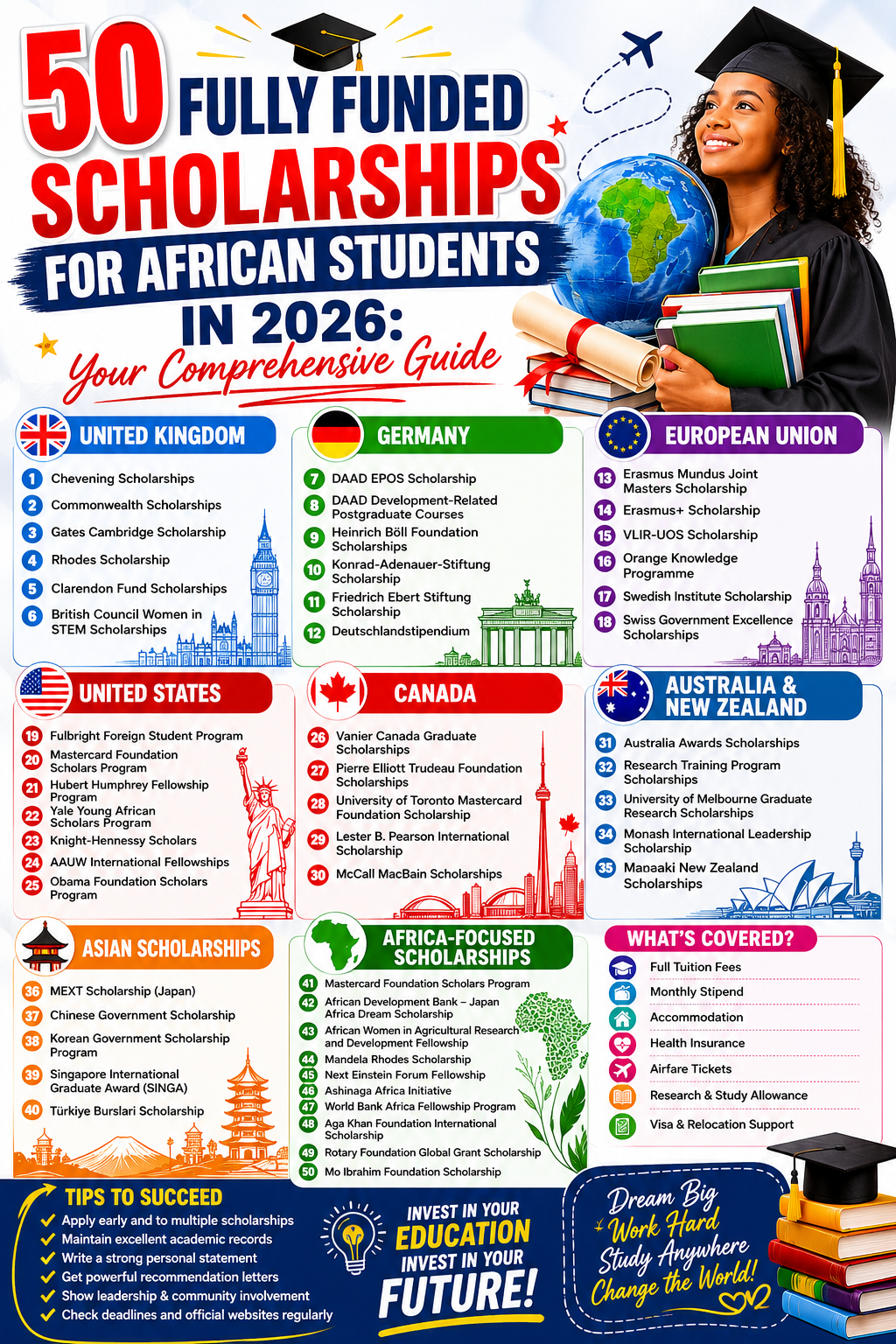
Scholarships for Kenyan Students
Several scholarships are available to help reduce your financial burden:
Rotman School of Management Entrance Awards (University of Toronto)
McGill Desautels MBA Entrance Awards
Ivey MBA Scholarships (Western University)
UBC Sauder Entrance Awards
While 100% scholarships are rare, partial funding is common. Apply early and showcase academic excellence and leadership experience.
Special Considerations for Kenyan Students
Student Direct Stream (SDS)
Kenya is currently not listed among SDS-eligible countries. However, students from non-SDS countries can still follow the regular application process. Consider meeting as many SDS criteria as possible when applying—including purchasing a GIC—to strengthen your application.
Community Support
Kenyan communities thrive in Canadian cities including Toronto, Vancouver, and Calgary. These communities can help with settlement support, cultural connections, and professional networking.
Canada-Kenya Relations
The Canada High Commission in Kenya continues to engage with Kenyan institutions, emphasizing migration fairness, opportunity, and economic contribution. Kenya's commitment to mobility collaboration with Canada recognizes migration as a development tool through skills transfer, remittances, and diaspora engagement.
Conclusion
Studying in Canada from Kenya is a significant but achievable goal. Success requires careful planning, comprehensive documentation, and attention to the specific requirements for Kenyan applicants. With Canada's strong educational system, generous post-study work options, and welcoming immigration policies, Kenyan students have excellent opportunities to build successful careers and lives in Canada.
The journey begins with research, extends through meticulous application preparation, and culminates in an exciting new chapter. While the process requires substantial preparation—particularly regarding financial documentation and demonstrating ties to Kenya—the potential rewards make the effort worthwhile. Whether you're aiming for a world-class education, Canadian work experience, or permanent residency, the study pathway offers one of the most effective routes from Kenya to Canada.