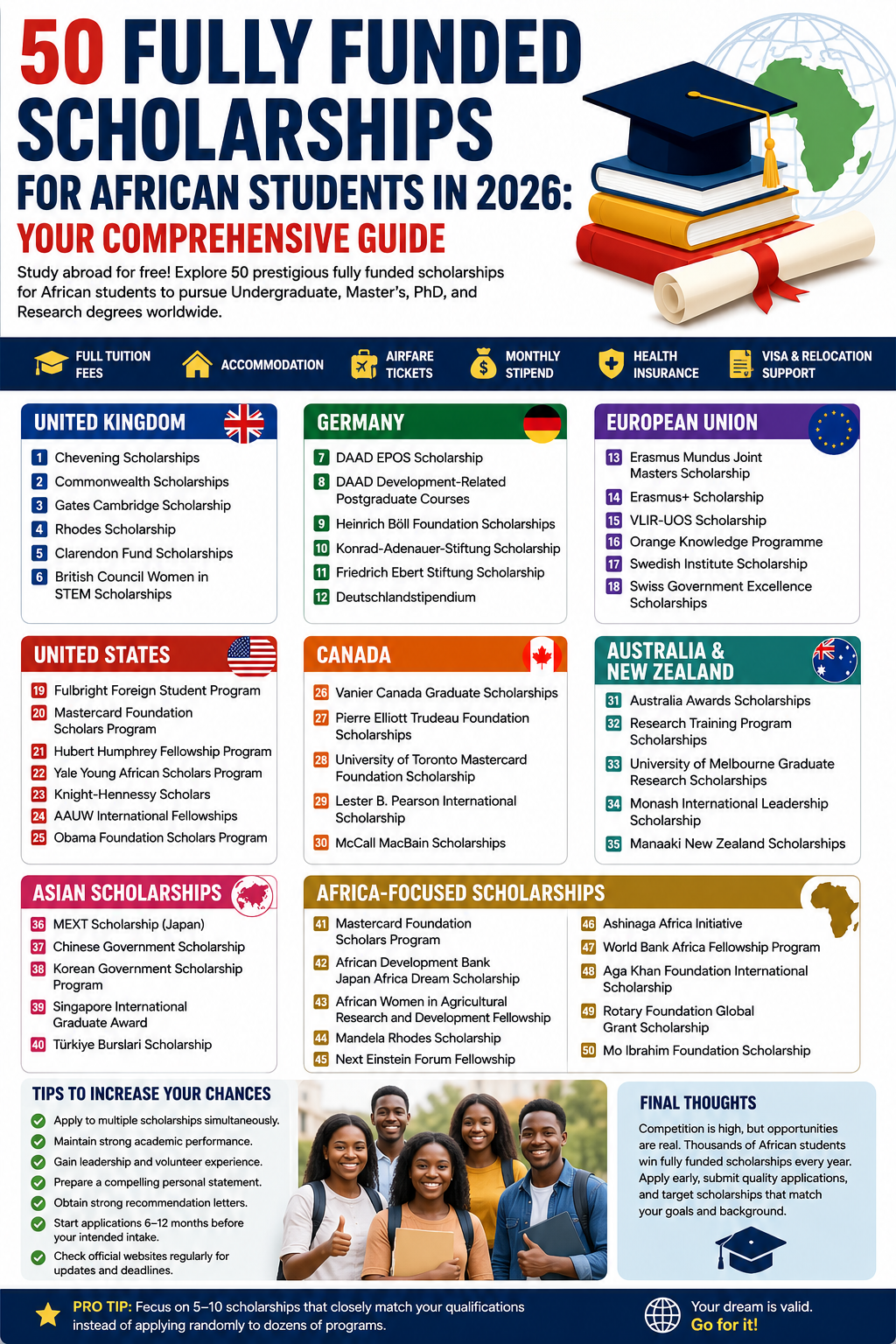
The landscape of international education for Kenyan students is shifting. While the United States and the United Kingdom have long been the gold standard for overseas study, a confluence of factors—soaring costs, restrictive visa policies, and a changing global job market—is driving a fundamental change in how Kenyan families choose where to invest in higher education . The decision is no longer solely about institutional prestige; it is a strategic calculation balancing academic reputation, financial reality, immigration pathways, and career prospects. For the modern Kenyan student, the world is indeed a classroom, but some countries offer a far better return on investment than others.
This comprehensive guide explores the best countries for Kenyan students, analyzing the top destinations based on data, student experiences, and the latest policy shifts. From the traditional powerhouses to emerging hubs in Asia and Europe, we dissect the pros and cons to help you navigate your journey.
The New Dynamics of Kenyan Student Mobility
The data paints a clear picture of a nation on the move. According to UNESCO figures, over 15,500 Kenyan students were studying abroad in 2023, and that number is growing rapidly . A survey by the African Leadership University found that a staggering 44% of Kenyan students express a desire to pursue higher education abroad, driven largely by the pursuit of work experience, better financial opportunities, and a pathway out of a challenging local job market .
This ambition, however, is now directed toward a more diverse set of destinations. The traditional dominance of Western nations is being challenged by rising costs and visa hurdles. In the UK, 72% of universities now cite tuition and living costs as a major barrier for international students, while Canada has recorded steep declines in undergraduate enrolments from abroad due to new policy caps . This has opened the door for countries in Asia and continental Europe, which are aggressively courting international talent with affordable tuition, English-taught programmes, and clear post-study work pathways.
Traditional Powerhouses: The US, UK, and Canada
Despite the challenges, the "Big Three" remain significant players due to their world-class universities and strong alumni networks.
The United Kingdom: Prestige at a Premium
The UK continues to be a top choice for Kenyans, with 3,670 students enrolled in 2023/24 . Its main attractions are the quality of its globally-ranked universities and the shorter duration of its programmes: a three-year undergraduate degree and a one-year Master's degree, which can potentially offset higher fees .
However, this prestige comes with a high price tag, with tuition ranging from £15,000 to over £30,000 annually, and living costs are a major concern . The UK also offers a Graduate Route visa, allowing students to work for up to two years post-graduation, offering a valuable stepping stone into the global job market .
Key Tip: The UK is actively courting Kenyan students through scholarships. The GREAT Scholarships 2026 offer over £10,000 for one-year postgraduate courses , while top institutions like The University of Manchester offer Global Futures Scholarships worth up to £30,000 for undergraduates and £18,000 for master's students from Kenya . The University of Sussex also offers a £4,000 tuition fee reduction for eligible Kenyan students .
The United States: The Dream with a Complex Visa
The US remains a beacon for academic excellence, with 4,705 Kenyan students enrolled in 2023/24 . Its strengths lie in the sheer number of top-ranked universities, a flexible curriculum allowing for exploration, and robust research opportunities . The OPT (Optional Practical Training) programme provides a valuable work visa for graduates.
However, the US is arguably the most expensive option and boasts the most complex visa process, often seen as a major deterrent for Kenyan students . The post-study work options are also more limited compared to other nations, making the path to permanent residency a long and uncertain one.
Canada: The Welcoming Alternative Facing Headwinds
For a long time, Canada was the "sweet spot" for Kenyans—a high-quality education system with a more welcoming immigration policy. It offered a clear pathway to permanent residence and high quality of life .
This landscape changed in 2024 when Canada introduced caps on international student permits to manage housing and infrastructure pressures . This policy shift has led to a significant drop in international enrolment, making it a more challenging destination to secure than in previous years. While the 3-year Post-Graduation Work Permit remains a strong draw, the increased competition and policy uncertainty make it a riskier bet .
The Rising Stars: Europe's Affordable Excellence
As the traditional destinations become more expensive and difficult to access, European nations are stepping up as powerful alternatives.
Germany: Tuition-Free Education for All
Germany has emerged as a game-changer for Kenyan students, and its appeal is easy to understand: public universities charge zero tuition fees for most programmes, regardless of nationality . Students only need to pay a semester contribution of €150–€350, which covers administrative costs and often includes a public transport pass .
Why it works for Kenyans:
Cost-Effective: The financial barrier to entry is exceptionally low.
Strong Partnerships: Germany has established academic ties with Kenyan universities like the University of Nairobi and JKUAT through the DAAD (German Academic Exchange Service) .
Post-Study Work: Graduates are granted an 18-month job-seeker visa, allowing them to find work in Europe's largest economy .
Programmes: Over 1,500 Master's programmes are offered in English, though undergraduate courses are predominantly taught in German .
The Reality Check:
Visa Logistics: Obtaining a visa at the German Embassy in Nairobi requires planning. A "blocked account" (Sperrkonto) of approximately €11,208 must be secured as proof of financial resources before you can get your visa .
Language and Culture: While studying in English is possible, integrating into Germany and securing a job requires proficiency in German .
The Nordic Model: Finland, Sweden, and the Netherlands
Countries like Finland, Sweden, and the Netherlands are increasingly drawing Kenyans, particularly in fields where they face labour shortages, such as nursing and skilled trades .
Finland: Known for its world-class education system and quality of life, Finland is a popular choice for Kenyans seeking both education and employment.
The Netherlands & Sweden: Both countries offer a wide range of English-taught programmes and have a strong reputation for research and innovation .
The Catch: While tuition fees are lower than the US or UK, they are not free, and the cost of living in Nordic countries is notably high .
The Asian Ascendancy: New Horizons and Economies
The educational map is redrawing, with Asia becoming a major hub for Kenyans. Driven by affordability, government scholarships, and growing economic ties, countries like Japan and South Korea are offering compelling alternatives.
Japan: Technology, Precision, and Full Scholarships
Japan is quickly becoming a top destination, driven by its reputation for cutting-edge technology and lucrative scholarship opportunities. The nation welcomed over 200 Kenyan scholars in 2024, with many pursuing studies in STEM fields like robotics, AI, engineering, and biotechnology . The growth is fuelled by affordable tuition, extensive English-language courses, and strong government scholarships like the MEXT programme .
Insider's View:
The MEXT Scholarship: This is a highly competitive, fully-funded scholarship offered by the Japanese government. It covers tuition, living expenses, and even flights. The application process involves a rigorous exam and interview at the Japanese Embassy in Nairobi .
Real Student Stories: Students like Fredrik Otieno (Hokkaido University) and Mary Alex Wambui Kimani (Otaru University of Commerce) highlight the transformative power of these scholarships. While they praise Japan's efficient systems and supportive academic environments, they acknowledge significant challenges like the high cost of living in cities and the harsh winters in regions like Hokkaido .
Language: While many top university programmes are taught in English, basic Japanese is often essential for daily life and part-time work, which is allowed for up to 28 hours a week .
South Korea: Record Numbers
South Korea recently hit a record 300,000 international students, reaching its target two years early. For Kenyans, the attraction mirrors Japan's: affordability, an expanding range of English-language programmes, and the allure of experiencing a dynamic East Asian culture . Scholarship opportunities are a primary "pull factor," alongside Korea's global reputation for academic excellence .
China: A Strategic Partner
China remains a significant player, particularly for African students, thanks to generous scholarship programmes offered by the Chinese government. It is a top choice for those pursuing degrees in medicine, engineering, and international relations, reflecting the growing economic and geopolitical ties between Africa and Asia .
Emerging Alternatives: Singapore, UAE, and Malaysia
Countries like Singapore and Malaysia are establishing themselves as "education hubs," hosting satellite campuses of prestigious Western universities .
Singapore: Continues to attract high-performing students in business and technology, but the cost of living remains a significant barrier .
UAE & Qatar: Destinations like Dubai and Qatar's Education City are creating world-class campuses (e.g., Carnegie Mellon, Georgetown) with fewer visa hassles and a lower cost of living compared to Western campuses .
Turkey: Offers a unique bridge between East and West, with affordable tuition and the Türkiye Scholarships programme, making it an attractive and culturally familiar option for many Kenyans .
Intra-Africa Mobility: South Africa, Ghana, and Rwanda
It's not just about going far away; regional mobility is also on the rise. South Africa remains the leading destination on the continent for Kenyans, particularly in fields like medicine, commerce, and social sciences . The appeal is proximity, lower cost relative to Western options, and the high quality of its institutions.
However, Ghana and Rwanda are emerging as powerful alternatives. They are increasingly attractive due to improved regional academic mobility and the growing reputation of their universities. For students who want a high-quality international education without the cultural shock or long-haul flight, these African nations are a compelling choice .
The Decisive Factor: Scholarship and Funding Landscape
For most Kenyan students, the decision on "where" starts with "how." The availability of scholarships is often the deciding factor, and there are significant opportunities available.
German DAAD Scholarships: A cornerstone of the Kenyan-German academic relationship, offering scholarships for postgraduate studies in a wide range of development-related fields .
UK GREAT & University Scholarships: The UK government and its universities are aggressively offering scholarships to attract Kenyan students, with the GREAT and Global Futures scholarships being prime examples .
Japanese MEXT Scholarships: A fully-funded, prestigious pathway for top-performing students to study at Japanese universities .
Other Asian Scholarships: Japan and South Korea are known for their government-funded scholarships, while China provides extensive programmes for African students .
The Cost-Benefit Analysis: A Strategic Choice
The decision of where to study is no longer a simple matter of following the crowd. For the modern Kenyan student, it is a strategic career and life decision. As Omar Mohamed, director of education consultancy firm Educare International, notes, "visa restrictions and government policies were increasingly shaping international student flows" .
Countries that treat international students as future workers—offering pathways to work and residency—are gaining ground. Meanwhile, traditional education powers that present them as short-term visitors are losing appeal . The objective is clear: gain a world-class education, build a global network, and secure a future.
Conclusion: A World of Opportunity
Kenyan students are spoiled for choice, but the "best" country depends entirely on individual goals, financial capacity, and career aspirations.
For the Academic: The USA and UK remain the gold standard.
For the Budget-Conscious: Germany and other European nations offer low-cost, high-quality alternatives.
For the Tech-Savvy: Japan and South Korea provide cutting-edge opportunities in a modern, efficient setting.
For the Regional Leader: South Africa and Ghana offer a world-class education close to home.
The shift in student mobility is a testament to the ambition of Kenya's youth and the maturing of the global education market. The journey is no longer a one-way street to the West; it's a multi-directional exploration of a world full of opportunity. The key to success is to be informed, strategic, and choose a destination that aligns with the life you want to build.