How to Finance Your University Education Without Stress: A Complete Guide for 2026
The sticker price of a university education can feel like a barrier, but it does not have to be a source of overwhelming anxiety. The key to stress-free financing lies in understanding the system and having a clear strategy before you even set foot on campus. This guide will walk you through a step-by-step approach to paying for college, ensuring you graduate with a diploma and a manageable financial future.
The Core Principle: Understanding Your Funding Sources
Before we dive into the specifics, it is helpful to understand the landscape. Financial aid generally falls into three categories: "gift aid" that you do not have to repay, earned income from work, and borrowed money that you will pay back.
Gift Aid: Grants and Scholarships
Grants and scholarships are the most desirable forms of financial aid because they do not need to be repaid. The difference between a grant and a scholarship is essentially the criteria. Grants are typically need-based and awarded based on your financial situation, as determined by the FAFSA. Scholarships, on the other hand, are often merit-based, awarded for academic achievement, athletic ability, artistic talent, or specific interests.
The average first-time undergraduate student receives nearly $15,000 per year in scholarships and grants, a figure that underscores the importance of not overlooking these opportunities. While scholarships may require more time to research and apply for, the financial payoff is significant. Even a few smaller awards can add up to a substantial reduction in what you need to borrow.
Work-Study and Student Employment
Federal Work-Study is a program that provides part-time jobs for undergraduate and graduate students with financial need, allowing them to earn money to help pay education expenses. It is important to note that if you are awarded Work-Study, you are not guaranteed a job; you still have to apply and be hired, but it opens the door to many on-campus opportunities.
For students who do not qualify for Work-Study, many universities and colleges offer other part-time positions. These jobs are often designed to fit around a class schedule and are available in various departments like the library, dining services, or administrative offices. Even working 10-15 hours a week can help cover everyday expenses like books, housing, or meals.
Borrowed Money: Federal vs. Private Loans
Student loans are money that you borrow and must pay back with interest. There are two main types: federal and private.
Federal student loans are backed by the U.S. government and are generally the better option for most students. They offer fixed interest rates and more flexible repayment plans. The application process is through the FAFSA. There are two primary types for undergraduates: subsidized and unsubsidized. A subsidized loan is awarded based on financial need; the government pays the interest while you are in school at least half-time and during a grace period after you leave school. An unsubsidized loan is not need-based, and the borrower is responsible for all interest, which begins accruing immediately.
Private student loans are offered by banks, credit unions, and online lenders. They should generally be considered a last resort because they often have higher interest rates, variable terms, and fewer borrower protections. Private loans are credit-based, meaning you will likely need a cosigner with a good credit history to secure the best rates. As of 2026, changes are coming to federal loans, so families should check StudentAid.gov for the latest updates.
The 5-Step Stress-Free Financing Strategy
Step 1: File the FAFSA Every Year—Without Fail
The Free Application for Federal Student Aid (FAFSA) is the single most important document in financing your education. It is your gateway to federal grants, work-study opportunities, and federal student loans. Many states and individual colleges also use the FAFSA to determine your eligibility for their own aid programs.
A common misconception is that if you think your family makes too much money, you should not bother filing. This is false. Eligibility calculations are complex, and you might be surprised by what assistance is available, including unsubsidized loans, which are not need-based. It is also wise to file as soon as the application opens, as some aid is distributed on a first-come, first-served basis. Submit the FAFSA each year you are enrolled.
Step 2: Prioritize "Free" Money
Before you even think about loans, exhaust all options for grants and scholarships. This is the primary way to reduce your overall cost and avoid long-term debt.
Grants: These are often the easiest to access, as your eligibility is determined by your FAFSA. The Federal Pell Grant is the largest source of need-based aid for undergraduate students.
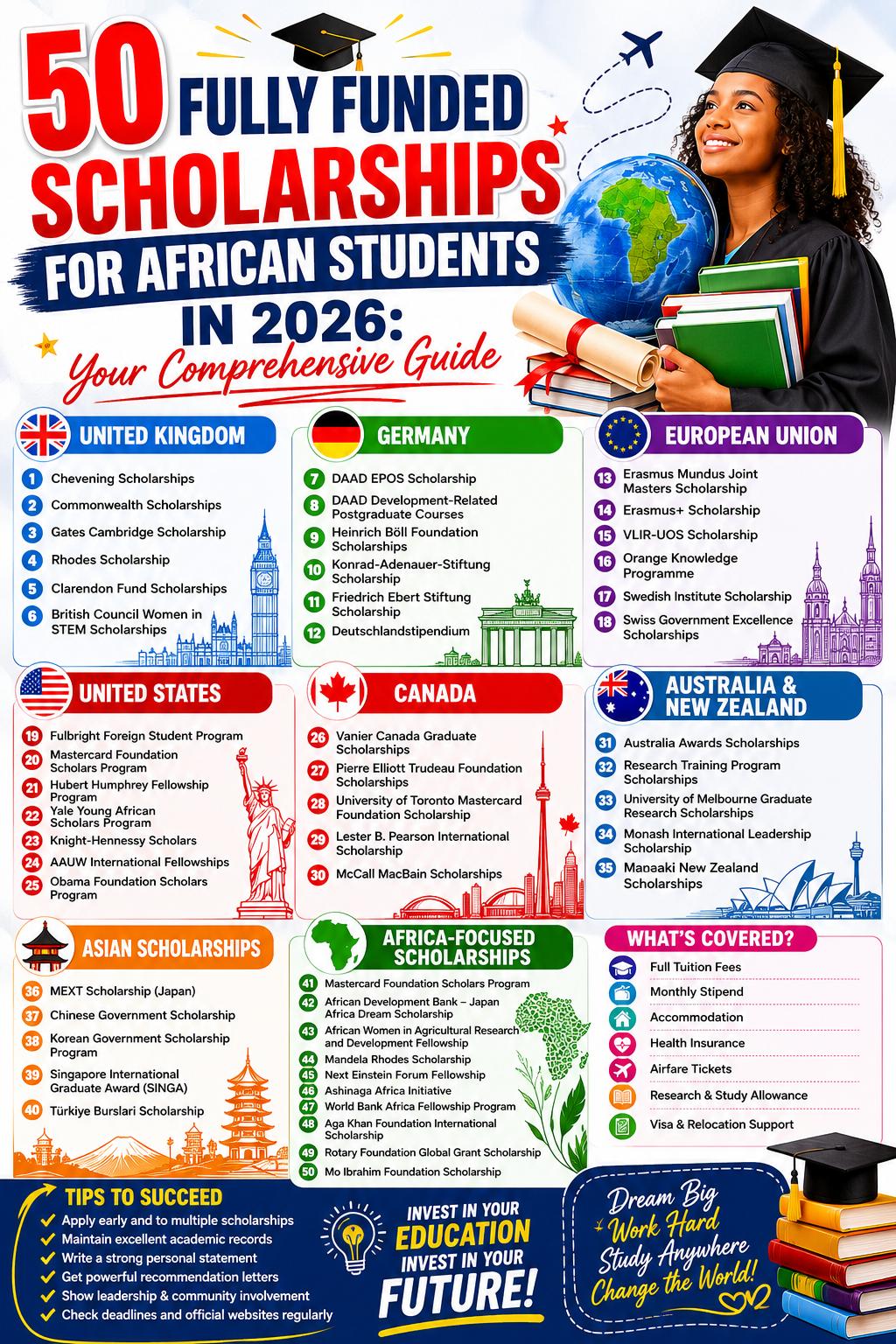
Scholarships: This requires more effort, but the rewards are worth it. Look for scholarships based on your field of study, heritage, community involvement, or even a unique hobby or skill. Start early, stay organized, and apply for as many as you can—including smaller awards that are less competitive.
Employer Tuition Assistance: If you are a working adult or your parents have a tuition benefit program, this is another significant source of free money. Many employers offer partial or full tuition reimbursement for approved coursework, which can dramatically reduce your out-of-pocket costs.
Step 3: Choose an Affordable School and Program
Sometimes the most effective financial strategy is to rethink the school itself. You can significantly lower costs by:
Starting at a Community College: Completing your general education requirements at a lower-cost community college and then transferring to a four-year university is a proven way to save tens of thousands of dollars on tuition.
Using Net Price Calculators: Before you apply to a school, use their "net price calculator." This tool provides a more realistic estimate of what you will actually pay after financial aid, which can be very different from the published sticker price.
Seeking Credit for Prior Learning: If you have relevant work experience or military training, some universities offer Prior Learning Assessment (PLA), which can award you academic credit for that experience, shortening your degree path and reducing costs.
Opting for In-State Public Universities: In-state tuition at public universities is typically much lower than out-of-state or private institutions.
Step 4: Borrow Federal First and Borrow Only What You Need
After you have secured all free money and minimized other expenses, it is time to consider loans. The order of operations is important.
Subsidized Federal Loans: These are the most affordable loans because the government covers the interest while you are in school. Accept these first.
Unsubsidized Federal Loans: These are your next option. Even though interest accrues immediately, they still offer better terms and protections than private loans.
PLUS Loans: For graduate students or parents of dependent undergraduates, the Federal Direct PLUS Loan is an option to cover any remaining cost of attendance, but it has a higher interest rate than loans for undergraduates and requires a credit check. From July 1, 2026, Parent PLUS Loans will be capped at $20,000 per student per year, with a $65,000 lifetime limit per dependent student, which is a significant change to consider.
Private Loans: Use these only as a final option to fill any remaining gap. Be sure to compare interest rates and terms from multiple lenders and fully understand the repayment terms and lack of federal protections before signing.
When accepting loans, a good rule of thumb is to borrow only what you need. Consider using the federal student loan repayment estimator to understand what your monthly payments will look like based on your starting salary. The average student borrower graduates with about $29,560 in debt; keeping your borrowing near this benchmark can help ensure your payments remain manageable.
Step 5: Create a Budget and Stick to It
You can finance your education smartly, but you also need to manage your day-to-day finances. A budget is a powerful tool to help you see where your money is going and avoid unnecessary credit card debt.
Track Income and Expenses: List your sources of income (financial aid refunds, part-time job pay, family contributions) and your fixed costs (rent, utilities) versus variable costs (food, entertainment, books).
Use Budgeting Tools: Apps like Mint or a simple spreadsheet can help you stay on track. Some financial literacy centers at universities also offer courses and tools to help students learn to budget effectively.
Cut Costs Where You Can: Small changes, like buying used textbooks, sharing expenses with roommates, or cooking instead of eating out, can make a big difference over a semester.
Consider a Payment Plan: Many colleges offer payment plans that allow you to break up a large tuition bill into smaller, monthly payments. This can help you avoid taking out a loan for that amount.
What If You Need to Borrow? Planning for Repayment
Even with a careful plan, most students will need to borrow. The key to stress-free borrowing is to understand the repayment process before you sign the promissory note.
Federal student loans typically offer a six-month grace period after you graduate, leave school, or drop below half-time enrollment before you are required to start making payments. After that, the default repayment plan is the Standard Repayment Plan, which is 10 years of fixed payments.
For those who need more flexibility, there are income-driven repayment plans. As of July 1, 2026, a new plan called the Repayment Assistance Plan (RAP) becomes the primary income-driven option for new federal borrowers. Under RAP, payments are based on your income, and loans are forgiven after 30 years of qualifying payments. This is a long-term plan, so it is helpful to understand how it fits into your larger financial picture.
For students interested in careers in public service, the Public Service Loan Forgiveness (PSLF) program remains an option. Parent PLUS loans, however, are not eligible for income-driven repayment plans like RAP, which is a key factor for parents to consider when deciding who should take on the debt.
Conclusion: You Have More Options Than You Think
Financing a university education is a complex process, but it does not have to be a stressful one. By following a layered strategy—starting with free money and working your way up to loans only when necessary—you can take control of your financial future. The most important steps are to file the FAFSA every year, exhaust all grant and scholarship opportunities, and choose federal loans over private ones.
Remember, a budget is your friend. It empowers you to make conscious spending decisions and avoid financial strain during your studies. With the right information and a proactive approach, you can invest in your education without mortgaging your future.