How to Study Abroad Without Being Rich: Your Complete Guide to Affordable International Education
Dreaming of studying abroad but worried about the cost? You're not alone. Here's the truth: studying internationally doesn't require a trust fund. With strategic planning, the right destination choices, and creative funding strategies, an overseas education is more accessible than most people realize.
The perception that study abroad is only for the wealthy is one of the biggest myths in international education. According to UNESCO's Global Education Monitoring Report, 57 percent of international students now prioritize affordability, streamlined visa processes, and post-study work opportunities over traditional university rankings when choosing their destination . This shift reflects a growing awareness that quality education abroad can be achieved without breaking the bank.
Understanding the True Cost of Study Abroad
Before diving into solutions, it's important to understand what you're actually paying for. Study abroad costs typically break down into:
Tuition fees (the largest expense)
Accommodation and meals
International travel and transportation
Visa and insurance costs
Living expenses and daily spending
The good news? Studying abroad doesn't necessarily cost more than studying in your home country. Many universities confirm that the cost of housing, meals, and daily living abroad is comparable to—and in some cases less expensive than—major cities in the U.S. or UK . Your financial aid package often applies while you study abroad, making the transition more affordable than you might think .
Strategy 1: Choose Affordable Destinations
Europe's Low-Cost University Model
Europe is emerging as a global education powerhouse in 2025, driven by its unique model of high-quality, low-cost university education. Countries like Germany, Norway, France, Finland, and Austria are redefining what's possible for budget-conscious students .
Germany remains a leader in affordable education. Most public universities charge zero tuition fees, even for non-EU students, with only a nominal semester contribution (typically €150-€350) for administration and student services. Over 400,000 international students are enrolled in German universities as of 2025—up 12 percent from 2023—at prestigious institutions like Heidelberg University and the Technical University of Munich .
Norway maintains its free tuition policy for all students, EU and non-EU. While the cost of living can be high, the tuition-free model at top institutions such as the University of Oslo and Norwegian University of Science and Technology keeps the country attractive .
Other affordable European options include:
Finland: Offers tuition-free education to EU/EEA students and highly subsidized tuition (around €4,000-€12,000 per year) for non-EU students, with expanded scholarship schemes covering up to 100% of tuition and living costs
Austria: EU students study for free, while non-EU students pay around €726.72 per semester—still significantly lower than global counterparts
Poland, Latvia, Lithuania, and Malta: Growing destinations with competitive tuition rates
Budget-Friendly Programs Under $15,000
Many universities offer affordable semester programs that won't drain your savings. For example:
Semester in Mérida, Mexico: $6,950 with internship opportunities
Semester in Tallinn, Estonia: $8,950 for a global internship program
Semester in Santiago de los Caballeros, Dominican Republic: $13,950 for language immersion
Some universities offer programs under $15,000 for a full semester in locations like Chile, South Korea, Mexico, Spain, and Costa Rica . These options prove that studying abroad doesn't require six-figure budgets.
Strategy 2: Leverage Exchange Programs
ISEP Exchange
The International Student Exchange Programme (ISEP) offers a transformative opportunity: you pay your home university cost for tuition, housing, and meals . This means it costs about the same to go abroad as it does to study at your home institution. You'll only need to factor in travel, visa, application, and insurance expenses.
ISEP offers access to over 300 institutions worldwide spanning more than 50 countries across Africa, Asia-Pacific, the Middle East, Latin America, and the USA . Placements are available to students in every subject and with any language level, and the matching process doesn't show preference for merit factors like GPA, making it accessible to a wide range of students .
University-to-University Exchanges
Many universities have established exchange partnerships that allow you to study abroad while paying your home institution's tuition. This arrangement typically makes study abroad more affordable than enrolling directly in a foreign university. Check with your study abroad office to explore exchange opportunities at your institution.
Strategy 3: Master the Scholarship Game
Internal Scholarships
Many universities offer scholarships specifically for study abroad students. For example:
NYU's Global Pathways Scholarship provides up to $4,000 per semester based on demonstrated need
Lamar University offers a Study Abroad Fee Grant that almost every student qualifies for ($200), plus other grants up to $2,500 for specific majors
Western Carolina University provides multiple internal scholarships including the Chinese and Germany Friendship Annual Scholarship and the Gail-Patricia Greer Study Abroad Scholarship
The key insight: In most cases, you do NOT need to have been accepted into your study abroad program at the time of scholarship application—so don't wait!
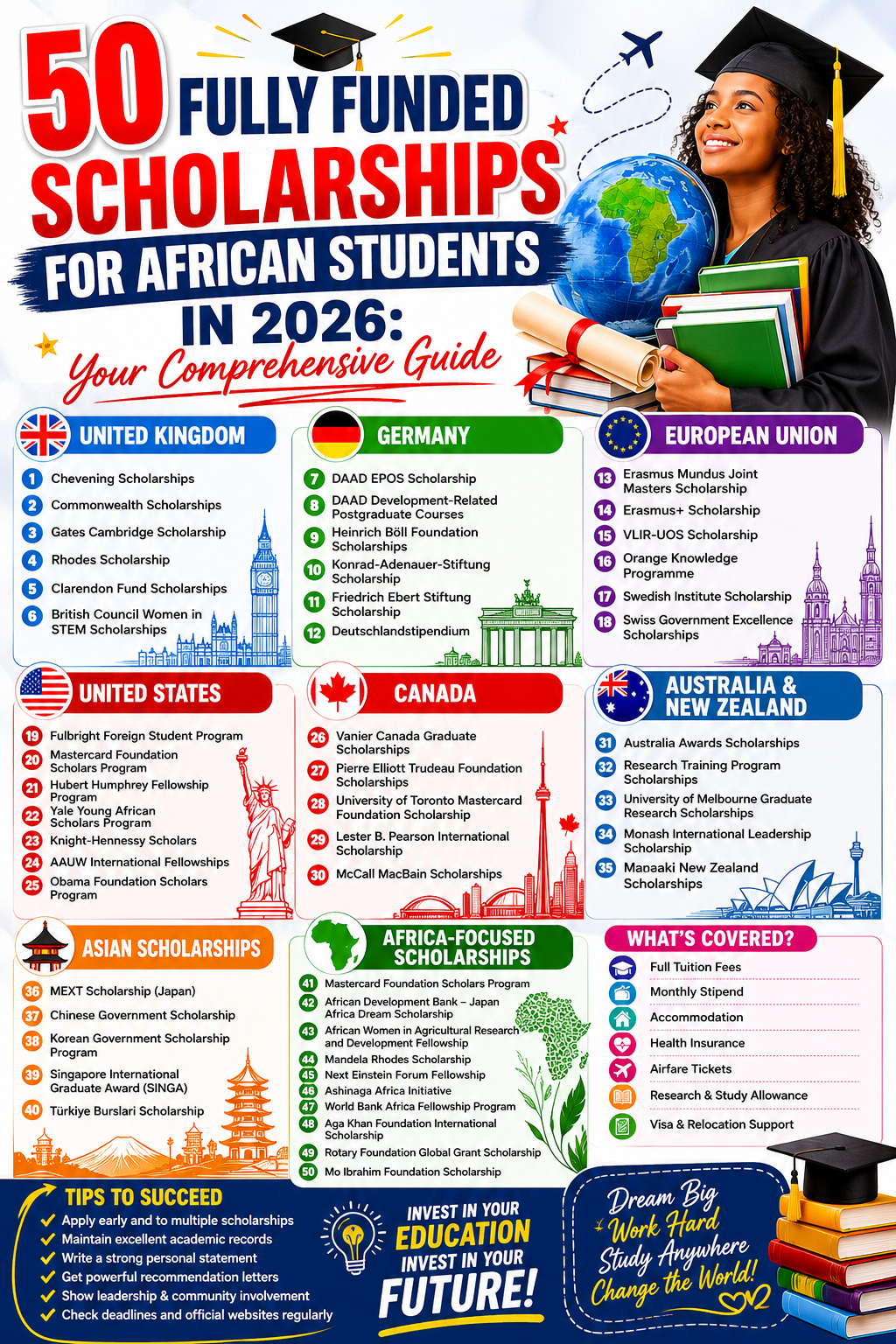
Government-Funded Opportunities
Benjamin A. Gilman Scholarship (Up to $5,000): Available to U.S. undergraduate students who are currently receiving a Pell Grant . This scholarship can apply toward short-term, faculty-led study abroad programs and semester-long exchanges .
Boren Undergraduate Scholarships (Up to $20,000): For study in Africa, Asia, Central & Eastern Europe, Eurasia, Latin America, and the Middle East. Requires at least 12 weeks abroad .
DAAD Scholarships (Germany): Government scholarships providing funding for international students wishing to study in Germany .
Erasmus+ Program: Offers funding for study across multiple European universities in a range of academic disciplines .
Fulbright Foreign Student Program: One of the most prestigious scholarship programs in the world, supporting students to study in the U.S. for over 80 years .
External Scholarships
Fund for Education Abroad (Up to $5,000): Available for U.S. citizens or permanent residents currently enrolled as undergraduates in U.S. universities/colleges who plan to study abroad for at least four weeks (minimum 30 days). They also offer a Rainbow Scholarship specifically for LGBTQI students .
Freeman Asia Scholarship: For students studying abroad in East or Southeast Asia .
Mastercard Foundation Scholarship Programme: Offers funding and mentorship opportunities for students across Africa to study abroad .
World Bank Scholarship Programme: Open to students who wish to study development-related topics for their master's degrees .
Quick Application Tips
Start early: Scholarship deadlines often occur months before program departure
Apply to multiple scholarships: Each application is unique, so adapt your materials accordingly
Write a compelling personal statement: Outline your achievements, extracurricular activities, academic goals, and how the scholarship will help you develop these skills
Secure strong recommendation letters: From teachers or professionals who can speak to your qualifications
Proofread meticulously: Have someone else review your application
Pro tip: Don't limit yourself to just study abroad scholarships. Reconsider some of the scholarships you may have overlooked when first applying to college—many can be applied to study abroad expenses .
Strategy 4: Work While You Study
Understanding Work-Study Programs
"Work and Study" programs allow you to legally work part-time while pursuing your education abroad. When properly planned, these programs help you develop language skills, gain international work experience, and cover a portion of your living costs .
Program options include:
Language School + Work Authorization: 6-12 months, part-time work during studies
Co-op Diploma Programs: 1-2 years combining education with mandatory internships
Pathway + University: 4-5 years combining language preparation with a bachelor's degree
Country-Specific Work Options
Australia: Offers some of the highest minimum wages among developed countries. Students enrolled in programs of 13 weeks or more can work up to 48 hours per fortnight (average 24 hours/week) during study periods . Common sectors include cafes, restaurants, hotels, retail, and warehousing .
Ireland: As one of the few English-speaking countries in Europe, Ireland offers special advantages. Students enrolled in minimum 25-week language programs can work up to 20 hours per week during study periods and up to 40 hours during holiday periods . Students typically receive an 8-month Stamp 2 student permission .
Canada: Unlike some countries, Canada does not offer work authorization for pure language programs. Students need to enroll in certificate or diploma programs to work up to 20 hours per week during study periods . Many programs include co-op periods providing guaranteed work experience . Post-graduation, students may be eligible for the PGWP program, allowing up to 3 years of work .
Malta: A good starting point for students wanting a more compact Work and Study experience. Students must complete 90 days of study before work rights activate, after which they can work up to 20 hours per week .
Work-Study vs. Work-Travel
Practical Work Tips
Start with service sector jobs: Cafes, restaurants, retail, and hotels are where most students find their first jobs
Use tips to supplement income: Service positions with tips can add 15-25% to your hourly earnings
Expect initial costs: Account for 1-2 months where you may not have income while settling in
Balance work and study: Work rights come from student status—don't prioritize work over academics
Strategy 5: Smart Financial Planning
Create a Realistic Budget
Budgeting is a crucial step that students must consider when studying abroad. Without a budget, you might overspend and find yourself in a difficult situation at the end of the month .
Create your budget by grouping expenses into categories:
Food and groceries
Pre-departure expenses (visa fees, travel insurance)
Transportation
School supplies
Use budgeting apps like YNAB, PocketGuard, or Mint to track spending in real time and identify problem areas. Small, disciplined changes can yield big savings .
Build an Emergency Fund
Unexpected expenses can occur at any time—medical emergencies, urgent laptop or phone repairs, increased utility bills, or last-minute travel .
Recommended: Set aside at least $300-$500 for sudden emergencies. Start by setting aside a small percentage of your monthly allowance in a separate savings account and make it a routine exercise .
Save Money Strategically
Before you go:
Research student discounts at tourist destinations
Plan trips in advance to get special bargains
Discover whether your favorite local restaurant has a rewards program
While abroad:
Get a local mobile plan or SIM card
Use public transportation
Understand Exchange Rates and Fees
Fluctuations in living costs or currency exchange rates can hamper budgets. Explore education loan top-ups or alternative options in advance to avoid being caught off guard .
Tip: Use low-cost remittance services to reduce charges when transferring funds internationally. Timely planning ensures academic continuity without unnecessary financial strain .
Strategy 6: Additional Savings Opportunities
Tuition-Free and Low-Cost Options
The UK's Turing Scheme: Offers funding for students studying abroad as part of their degree program .
Erasmus Mundus Joint Masters Scholarship: Provides funding for students to study at multiple universities across Europe in various academic disciplines .
Creative Funding
FundMyTravel: A crowdfunding platform designed to help students raise funds for their study abroad trips through their network of friends, family, and acquaintances. You can create a personalized donation page with your trip itinerary, a video explaining your plans, and letters of recommendation .
Apply early and often: Many external organizations have deadlines in October and March of each year. Don't limit yourself to just study abroad scholarships—reconsider overlooked opportunities .
Conclusion: Your Study Abroad Dream is Achievable
Studying abroad without being wealthy is not only possible—it's increasingly the norm. With strategic destination choices, exchange programs, scholarships, work opportunities, and smart financial planning, students from all socioeconomic backgrounds can access international education.
Key takeaways:
Choose affordable destinations like Germany, Norway, or Mexico where tuition is low or free
Leverage exchange programs (especially ISEP) to pay home institution rates
Apply for scholarships early and often—both internal and external
Work while you study in countries like Australia, Ireland, or Canada
Create a realistic budget and build an emergency fund
Track your spending and look for student discounts
Remember, as Michelle Obama said, "It's not enough for us to simply encourage more people to study abroad. We also need to make sure that they can actually afford it" . Universities and governments worldwide are increasingly committed to reducing financial barriers to study abroad experiences.
Your international education journey doesn't require a trust fund—it requires research, planning, and determination. Start exploring your options today, and take the first step toward making your study abroad dream a reality.