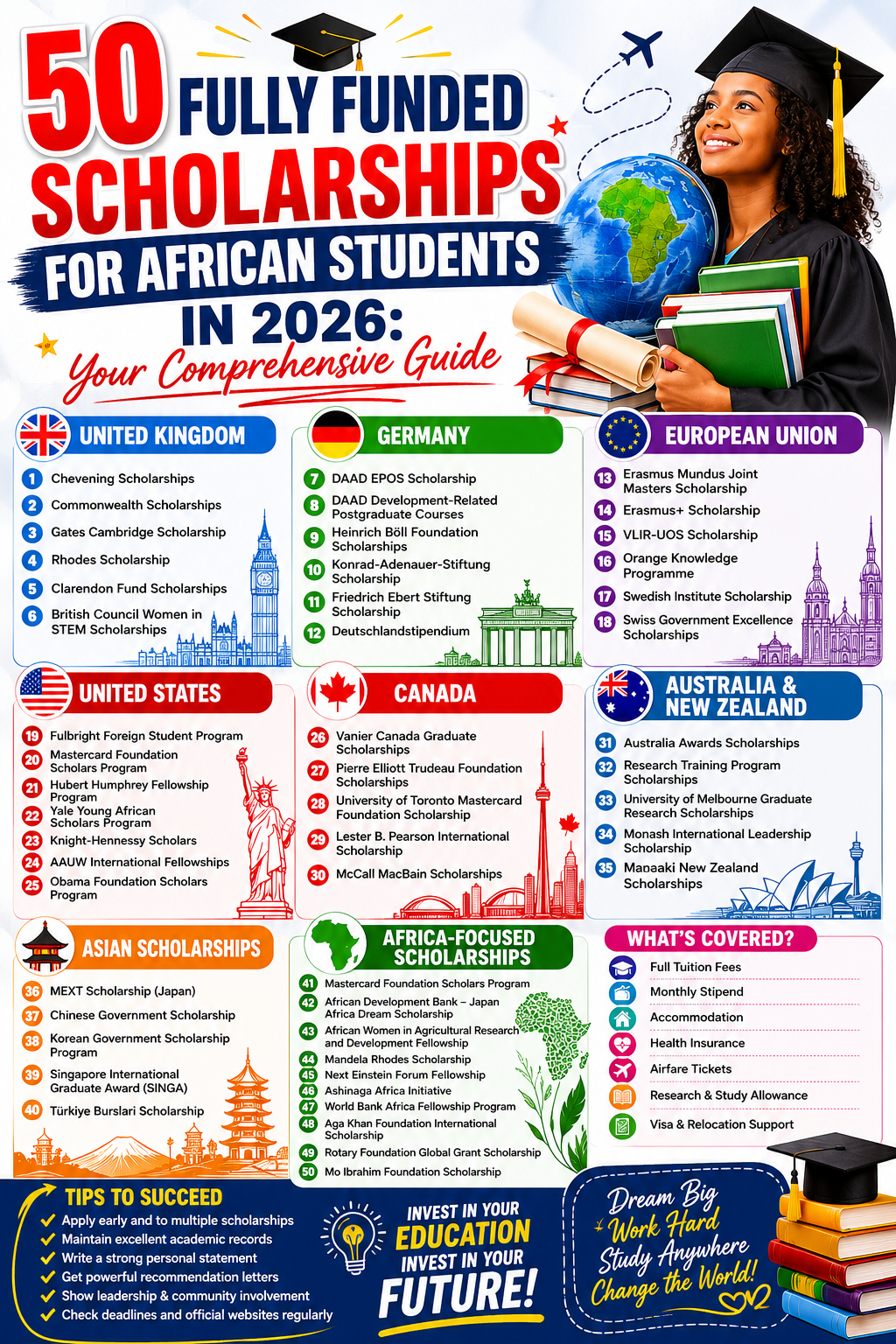
Education Loans vs Scholarships: A Comprehensive Guide to Funding Your Higher Education
The pursuit of higher education—particularly studying abroad—represents a significant financial commitment. For many students and families, the choice between taking out an education loan or pursuing a scholarship is one of the most consequential decisions they will face. According to recent data, education loan disbursements in India alone stand at approximately 1.2 lakh crore rupees annually, with overseas loans accounting for 40% of that figure . This massive volume underscores just how central this decision has become for millions of students worldwide.
The reality is that most families treat loans and scholarships as opposing options—a binary choice where scholarships represent a lucky break and loans serve as a fallback. However, students who fund their education most effectively treat them as a sequence rather than a choice . This comprehensive guide will examine the pros and cons of each option, analyze the critical differences, and help you develop a strategy that minimizes financial burden while maximizing educational opportunity.
Understanding Education Loans
An education loan is borrowed money from a bank, financial institution, or government program designed to cover educational expenses. Unlike scholarships, loans must be repaid—typically with interest—after the student completes their studies or after a specified grace period. The fundamental premise is straightforward: you receive funds now and repay them later when you are financially established.
How Education Loans Work
Education loans come in several varieties, each with distinct characteristics. Federal student loans, available primarily in countries like the United States, include Direct Subsidized Loans for undergraduate students who demonstrate financial need, where the government pays interest while the student is enrolled; Direct Unsubsidized Loans, available regardless of need but accruing interest from disbursement; and PLUS Loans for graduate students or parents. Private student loans, offered by banks and credit unions, typically have higher interest rates and fewer borrower protections .
The loan process generally follows a predictable pattern. Upon approval, funds are disbursed to cover tuition, fees, living expenses, travel, and educational materials. Most lenders offer a moratorium or grace period—typically six months to a year after graduation—during which repayment does not begin. However, interest often continues accruing during this period, sometimes with significant consequences for the total repayment amount .
The Real Cost of Borrowing
Understanding the true cost of an education loan requires looking beyond the principal amount borrowed. Interest rates vary widely depending on the lender, the student's credit profile, whether collateral is provided, and the destination country. In India, public sector banks led by State Bank of India offer study abroad loans starting at approximately 10.25%, while NBFCs and private lenders often charge 12% to 14% .
The compounding effect of interest during the moratorium period is often underestimated. A loan of ₹50 lakh at 11% over two years of study, with interest left unpaid during the moratorium, can result in an outstanding balance of ₹61-62 lakh before the first EMI is even due . This capitalisation—where unpaid interest is added to the principal and interest is then charged on the larger amount—significantly increases the total repayment burden.
However, there are mitigating factors. Section 80E of India's Income Tax Act allows borrowers to claim a deduction on the full interest paid on education loans, with no upper limit, for up to eight consecutive years from the year repayment begins. This can reduce the effective cost of borrowing substantially, though it is only available under the old tax regime and requires careful planning .
Understanding Scholarships
A scholarship is a financial award granted to a student based on criteria such as academic achievement, talent, financial need, or specific demographic characteristics. The defining feature of scholarships is that they are gift aid—money that does not need to be repaid, making them the most sought-after form of education funding .
Types of Scholarships Available
Scholarships come in diverse forms, each with specific eligibility requirements and award structures:
Merit-based scholarships reward exceptional academic performance, standardized test scores, leadership, or athletic achievement. These are typically the most competitive and prestigious, with examples including the Rhodes Scholarship or Gates Cambridge Scholarship .
Need-based scholarships are awarded to students who demonstrate financial inability to afford educational costs. Universities like Yale and Stanford offer such assistance to international students who can prove financial need .
Region or nationality-specific scholarships target students from particular countries or regions. The Australia Awards, for instance, are open to students from Asia, the Pacific, and other regions .
Field-specific scholarships support students pursuing particular disciplines. The DAAD Scholarship in Germany, for example, often supports STEM students .
Diversity scholarships focus on underrepresented groups, such as women in technology, students from developing countries, or specific ethnic communities .
The Reality of Scholarship Competition
While scholarships are financially attractive, they are also highly competitive. The typical scholarship award for undergraduate students is approximately $11,610 per year, and while some awards cover full costs, most provide only partial funding . The supply of scholarship funds is limited compared to the demand, and many deserving students fail to secure awards.
Additionally, scholarship applications are time-intensive. Students may spend significant effort on essays, recommendations, and interviews—effort that could be directed toward other preparations. Successful applicants typically begin their scholarship search 12 to 18 months before their intended start date, as deadlines often close well in advance of program intakes .
Education Loans vs Scholarships: A Detailed Comparison
Understanding the fundamental differences between these two funding options is essential for making an informed decision.
Repayment Obligation
The most obvious difference is repayment. Scholarships require no repayment under normal circumstances—they are essentially free money awarded based on merit, need, or other criteria. Education loans, however, must be repaid with interest, typically over a period of 5 to 15 years after graduation .
Scholarships do sometimes have conditions. If a recipient withdraws from their program or fails to maintain required academic standards, they may be required to repay all or part of the scholarship. However, for most students who complete their studies successfully, scholarships represent true financial gifts .
Eligibility Criteria
Scholarships are typically limited and competitive, based on specific achievements or circumstances. Students must demonstrate merit, financial need, or meet particular demographic criteria. The acceptance rate for many prestigious scholarships is extremely low, reflecting their competitive nature .
Education loans, conversely, are more accessible. Banks and financial institutions generally approve loans for students with confirmed university admissions, a good academic record, and an acceptable co-signer or collateral. Loans are not merit-based in the same way as scholarships; average students can qualify with proper documentation .
Coverage Scope
Scholarships often provide partial coverage—frequently limited to tuition fees rather than living expenses, books, travel, or other costs. Even full-tuition scholarships may leave significant gaps for accommodation and daily expenses .
Education loans typically offer comprehensive coverage, including tuition, accommodation, books, travel, and living expenses. This complete coverage provides financial security and predictability, ensuring students can focus on their studies rather than worrying about funding gaps .
Financial Risk
Scholarships carry no financial risk for the student—they do not create debt obligations that could burden the student's future. They also enhance resumes and academic profiles through recognition of achievement .
Education loans, conversely, carry substantial financial risk. The debt burden can pressure graduates during their early career years. Interest accumulation can significantly increase the total repayment amount, and failure to repay can damage credit scores and lead to severe financial consequences .
Application Timeline
Scholarship deadlines are typically far in advance—often a year or more before the program start date. This requires early planning and preparation. Missed deadlines eliminate scholarship opportunities .
Education loans are considerably more flexible, with banks generally processing applications closer to the admission date. This flexibility makes loans more suitable for students who make last-minute decisions or missed scholarship deadlines .
The Compounding Value of Scholarships
The financial value of a scholarship extends beyond the face value of the award. When the cost of borrowing is factored in, even partial scholarships can provide disproportionate savings.
Consider a student facing a total educational cost of ₹60 lakh. A ₹10 lakh scholarship does not simply save ₹10 lakh—it saves the interest that ₹10 lakh would have accrued across the loan term. At an 11% interest rate over seven years, that translates to savings of approximately ₹17-18 lakh in real terms .
Furthermore, scholarship awards improve a student's position when applying for education loans. Confirmed scholarship amounts may be treated by certain lenders as partial security, potentially lowering the amount of collateral needed for the remaining loan. Showing a scholarship award also reduces the assessed risk for the lender, which can improve approval chances and possibly secure better terms .
In countries like Kenya, the government has implemented a New Higher Education Funding Model that categorizes students into bands based on socioeconomic characteristics. Students from low-income households receive more grants and fewer loans—a direct recognition that scholarship and grant funding should be targeted to those with the greatest need .
The Strategic Advantage of Combining Both
The most sophisticated funding strategy is not choosing between loans and scholarships, but combining both in an optimal sequence . This hybrid approach reduces debt while ensuring comprehensive funding.
The Optimal Sequence
Apply for every relevant scholarship before opening the loan application process. Confirmed scholarship amounts can reduce the loan principal before it is sanctioned, which lowers the starting point for interest calculations .
Secure education loans for the remaining gap only after determining how much scholarship funding has been received .
Choose the loan product with the lowest rate and most flexible moratorium terms. Interest rate differences of even 1-2% can translate to tens of thousands in additional costs over the loan term .
Consider paying simple interest during the study period if possible, to prevent capitalisation and reduce the total outstanding balance before the first EMI is due .
Evaluate Section 80E eligibility against the new tax regime every financial year to maximize tax benefits from interest payments .
Practical Example
For a student with total study costs of ₹45 lakh who secures a ₹15 lakh scholarship, taking a ₹30 lakh loan creates a manageable debt profile. This reduces the EMI, lowers the education loan interest rate burden, and ensures full financial coverage without risking admission delays .
This dual strategy is increasingly popular among Indian students targeting competitive global universities, as it provides the best of both worlds: reduced debt and comprehensive funding .
When to Prioritize Scholarships
Scholarships should be prioritized when certain conditions align:
Strong Academic Profile
Students with exceptional grades, standardized test scores, research accomplishments, or outstanding extracurricular portfolios have the best odds of securing merit-based scholarships. These students should invest significant time in scholarship applications .
Debt Aversion
Students who are uncomfortable with the idea of repayment pressure or who plan to pursue careers with modest starting salaries (such as social impact work, research, or academia) benefit significantly from debt-free funding .
Career and Country Restrictions Are Acceptable
Some scholarships require recipients to work in a particular country or industry after graduation. If these conditions align with a student's career goals, the scholarship becomes an ideal fit .
Low-Risk Financial Background
Students from families that can support initial costs can focus on winning high-value scholarships without the pressure of immediate funding needs .
When Education Loans Make Smarter Sense
Despite the attractiveness of scholarships, there are circumstances where loans are the smarter move:
Timing Constraints
Waiting a full year to reapply for a scholarship costs twelve months of earning potential after graduation. At an expected salary of ₹60-80 lakh per annum, this opportunity cost can exceed the scholarship value .
Program Deadlines
Some programs run cohorts only once every eighteen months. Missing the cohort for a scholarship round that doesn't come through means a delay that most students cannot afford .
High ROI Programs
For students pursuing MBA, STEM, or professional courses with high Return on Investment, education loans make financial sense. The earning potential after graduation can comfortably service the debt .
Government Subsidies
Students from families with annual income below ₹4.5 lakh qualify for the Central Sector Interest Subsidy scheme in India, which waives interest entirely during the moratorium period for eligible courses. For these students, the loan is not just accessible—it is actively subsidized .
Collateral Access
For students who can provide collateral—property, fixed deposits, or LIC policies—secured loans offer lower interest rates and more favorable terms, making loan financing more attractive .
The Hidden Costs and Benefits
Beyond the obvious financial considerations, both options carry less visible impacts.
Psychological Impact of Debt
Research from a South Korean study examining student loans versus national scholarships found that while there were no statistically significant differences between scholarship and loan recipients in terms of academic performance, scholarship recipients exhibited significantly better health and quality of life outcomes. Students who received national scholarships were more likely to have regular meals, engage in more physical exercise, enjoy better sleep quality, and report higher happiness levels .
This finding suggests that the psychological burden of debt—the knowledge that money is accumulating and must be repaid—affects student well-being beyond just financial considerations.
Scholarship Success and Resume Value
Scholarships serve as prestigious credentials that enhance academic and professional profiles. Winning a competitive scholarship signals to graduate schools and employers that a student is exceptional, potentially opening doors that extend far beyond the financial benefit .
The Collateral Threshold
For students from countries like India, the collateral requirement for education loans represents a significant consideration. Public sector banks require no collateral for education loans below ₹7.5 lakh, but above that threshold, immovable property, fixed deposits, or LIC policies must be pledged. Reducing the loan below the collateral threshold through scholarship income removes the family's primary asset from the risk equation—a consideration that goes far beyond simple financial calculation .
Practical Decision-Making Framework
To make the best decision for your situation, consider the following questions:
Assessment Questions
What is my academic profile? Are my grades, test scores, and accomplishments strong enough to be competitive for scholarships? Honest assessment prevents wasted effort .
What is my family's financial situation? Can my family contribute to costs? Are we willing to pledge assets as collateral for a loan? How does our income affect eligibility for need-based scholarships or interest subsidies? .
What is my career earning potential? If I pursue a high ROI field like technology or finance, loan repayment will be manageable. For modest-salary fields like social work or academia, debt-free funding is crucial .
What is my timeline? Have I already missed scholarship deadlines? Can I afford to wait an extra year to reapply for scholarships? .
What is my risk tolerance? Am I comfortable with debt, or would I prefer to avoid it even if it means less prestigious or delayed opportunities? .
Answer Guide
| If You Answer... | Then Consider... |
|---|---|
| Strong academic profile + Comfortable with competition | Scholarships as priority |
| Need certainty + Can manage debt | Loans as primary option |
| Strong profile + Need full funding | Both: apply for scholarships, secure loans for remaining gap |
| Low risk tolerance + Average profile | Focus on scholarships and consider backup plans |
| High ROI career + Good collateral | Loans make strategic sense |
International Students: Special Considerations
For international students, particularly those from developing countries, the funding landscape presents unique challenges and opportunities.
U.S. Federal Aid Limitations
International students generally do not qualify for U.S. federal student loans, which offer favorable terms and borrower protections. They must rely on private lenders who evaluate creditworthiness and future earning potential, often at higher interest rates .
Specialized Lenders for International Students
Companies like MPOWER Financing and Prodigy Finance cater specifically to international students, evaluating applicants based on their future earning potential rather than credit history or collateral. These lenders can provide unsecured loans to students who might otherwise lack access to funding .
Government Scholarships
Many governments offer scholarships specifically for international students from developing countries. Programs like the Australia Awards, the DAAD Scholarship in Germany, and various UK and U.S. government programs provide fully-funded opportunities that cover tuition, living expenses, and even travel .
Kenya's Student-Centered Funding Model
In Kenya, the Higher Education Loans Board (HELB) provides loans and scholarships to students in public and private universities based on assessed levels of need. Through the Means Testing Instrument, students are classified into bands (vulnerable, extremely needy, needy, and less needy), with vulnerable students eligible for up to 100% government funding .
This model represents a growing recognition that funding should be targeted not as a binary loan-vs-scholarship decision, but as a continuum of support based on student need.
Conclusion: Making Your Decision
The choice between education loans and scholarships is not simple, but the decision framework is clear:
Scholarships are superior financially—they provide debt-free funding, enhance academic profiles, and reduce psychological stress. However, they are limited, competitive, and unpredictable. Students with strong profiles, adequate preparation time, and the willingness to navigate the application process should prioritize scholarships .
Education loans are superior practically—they provide guaranteed, comprehensive funding regardless of academic competition. For students with high ROI career paths, solid collateral, or who have missed scholarship deadlines, loans represent the rational choice .
The hybrid strategy—applying for scholarships first, then using loans to fill the gap—is superior overall. It minimizes debt while ensuring comprehensive funding. This approach is increasingly common and is the most effective way to fund an international education .
As Sanjay Laul, Founder at MSM Grad, summarizes: "A scholarship is not a lucky alternative to a loan. A loan is not a fallback when scholarships fail. Used together, in the right order, they are the most effective funding structure available to Indian students in 2026. The families who understand that distinction borrow less, repay faster, and carry less risk at every stage of the process."
Ultimately, the right choice depends on your individual circumstances—your academic profile, your family's financial situation, your career goals, your timeline, and your personal risk tolerance. By understanding both options and applying a strategic sequence, you can fund your education effectively and set yourself up for long-term financial health.