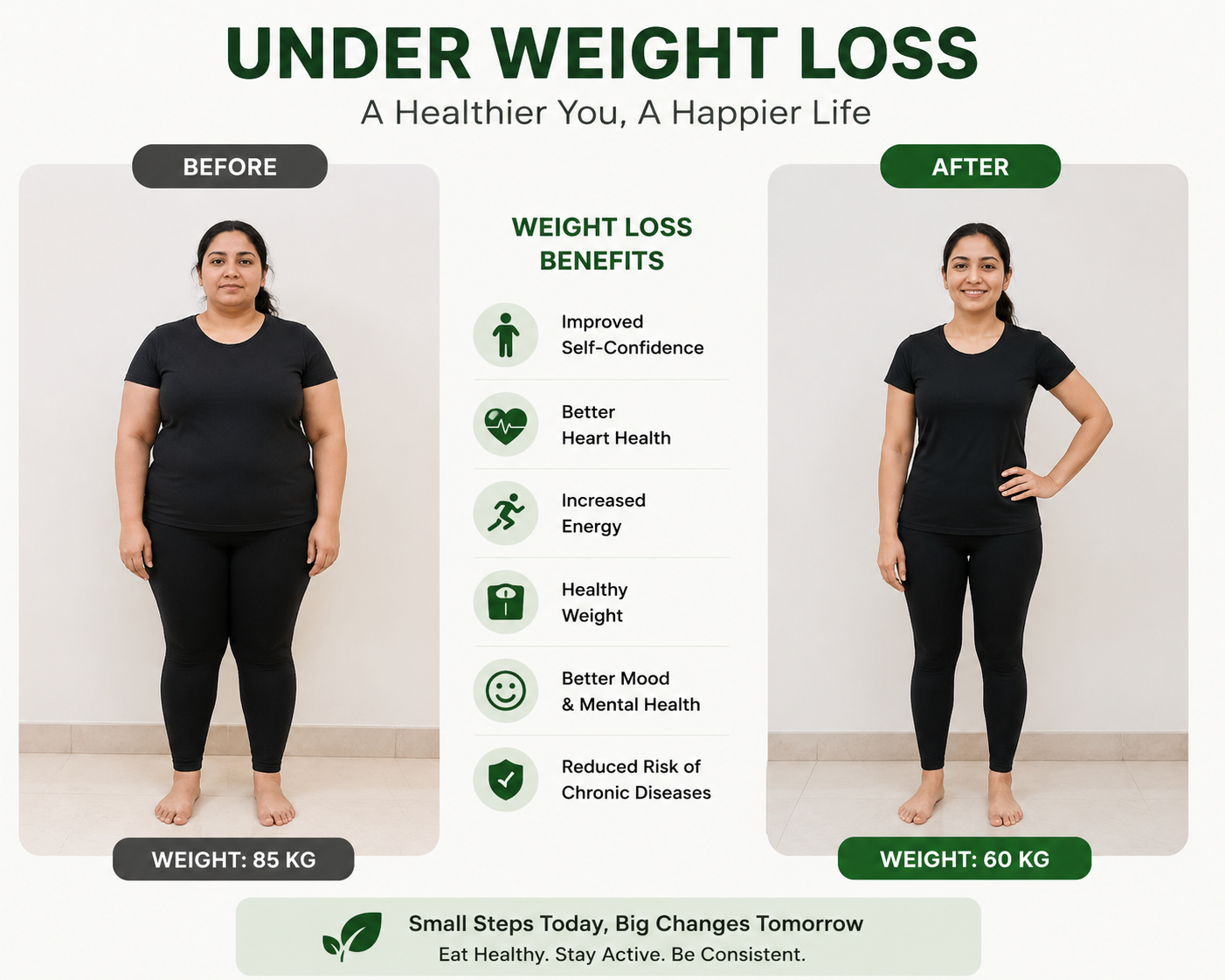
It’s Monday morning. You overindulged this weekend—perhaps a few too many drinks, late-night snacks, or rich meals with friends. Your jeans feel tight, you’re sluggish, and the instinct to "fix" things with an extreme detox or starvation diet is calling. Don’t answer that call.
One weekend of indulgence won't undo your progress, but a Monday of extreme deprivation can derail your entire week. Research consistently shows that restrictive eating after a binge often backfires, triggering more cravings and setting up a cycle of deprivation and overeating . The body doesn’t need punishment; it needs balance .
This 2,000+ word guide provides a science-backed, compassionate recovery plan focused on hydration, sleep, and high-protein nutrition—not extreme calorie cutting. The goal isn’t to erase the weekend but to restore your energy, stabilize your blood sugar, and help you return to your normal rhythm with confidence .
Why "Starving Yourself" Makes Everything Worse
When you wake up feeling guilty after a weekend binge, skipping breakfast or drastically cutting calories seems logical. It is, in fact, the worst thing you can do. Here is the science behind why that approach fails.
The Biology of Restriction
When you restrict food severely, your body responds as if it's entering a famine. Ghrelin, the "hunger hormone," spikes . Simultaneously, your blood sugar crashes, leading to irritability, brain fog, and intense cravings for high-carbohydrate, high-fat comfort foods later in the day . This sets you up for a vicious cycle: restrict, crave, binge, and repeat.
The Metabolism Myth
Many believe that eating very little on Monday "boosts metabolism" or "resets" the system. In reality, skipping meals signals your body to conserve energy, potentially lowering your metabolic rate . One study found that overeating on one day did not influence energy intake the next day—meaning, the "damage" is not undone by starving yourself . Your body doesn't work on a 24-hour clock; it needs consistency, not extremes .
The Weight Gain Reality
The extra weight you see on Monday morning is primarily water retention from excess salt, sugar, and alcohol, not actual fat gain . A high-sodium meal causes your body to hold onto water, resulting in puffiness and a bloated feeling. Restricting fluids or food only worsens dehydration and makes water retention last longer. A balanced reset routine typically corrects this within 3-4 days .
Step 1: Hydrate Your Way to Recovery
This is the single most crucial step after a weekend of overindulgence. Alcohol, salty snacks, and sugary treats dehydrate your system .
The Water Prescription
Aim for at least 2 liters (about 66 ounces) of water throughout Monday . This is not about flushing toxins—your liver and kidneys already do that—but about restoring fluid balance, aiding digestion, and reducing bloating.
Pro Tip: Sip water steadily throughout the day rather than gulping down a liter at once. Your body will retain more fluid this way . Your urine color is a good indicator of hydration; it should be pale yellow .
Electrolytes Are Your Ally
If you feel fatigued or foggy, plain water might not be enough. Sodium, potassium, and magnesium are depleted by alcohol consumption and poor food choices. Adding a pinch of rock salt to your water or drinking coconut water helps restore electrolyte balance . For a morning kickstart, try warm lemon-ginger water with a dash of rock salt or honey to support digestion and rehydration .
Digestive Herbal Teas
If your stomach feels unsettled or bloated, herbal teas are a gentle way to soothe the digestive tract. Ginger tea reduces inflammation and helps with nausea . Peppermint tea relaxes the digestive muscles, easing gas and bloating . Jeera (cumin) water is another traditional digestive booster that can help reduce gas and bloating .
Summary of Hydration Strategy:
Minimum Target: 2 liters (66 oz) of water.
First Thing: Warm lemon-ginger water or herbal tea.
Midday: Coconut water or an electrolyte supplement.
Throughout Day: Sip water consistently; add mint or cucumber slices.
Step 2: Prioritize Sleep—The Overlooked Reset Button
If you were out late or slept poorly over the weekend, your hunger hormones are likely dysregulated . Sleep deprivation spikes ghrelin and reduces leptin, the hormone that signals fullness. This makes you hungrier and more likely to crave unhealthy foods .
Aim for 7-8 Hours
Prioritize an early night on Sunday and Monday. If you can, aim for at least 8 hours of quality sleep on Monday night . This helps regulate hormones and gives your digestive system time to rest.
Sleep Hygiene for Recovery
Prepare: A warm shower, a tidy bedroom, and putting your phone away can help you drift off .
Protein Before Bed: Consuming a small amount of protein—like cottage cheese or Greek yogurt—before sleep can support overnight recovery .
Step 3: The High-Protein Reset Day (No Calorie Counting)
Instead of a restrictive detox, focus on a high-protein, nutrient-dense eating plan. A 1996 study demonstrated that high-protein diets are significantly more satiating than high-fat or high-carbohydrate diets on the day they are eaten. Participants felt "significantly more full and less hungry" . This is key: you need to curb cravings and stabilize blood sugar without feeling deprived.
The Eating Principles for Monday
Eat Breakfast: Don't wait longer than 90 minutes after waking to eat .
Eat Every 3-4 Hours: This prevents energy crashes and keeps hunger in check .
Target ~30g Protein Per Meal: This dosage has been shown to optimize muscle protein synthesis and soothe hunger .
Sample High-Protein Reset Meal Plan
Breakfast: Veggie Omelet or High-Protein Smoothie
Option A: A 3-egg omelet packed with spinach, peppers, and a sprinkle of cheese. (Protein ~25g) .
Option B: A protein smoothie (e.g., Cherry Probiotic Protein Smoothie with Greek yogurt and berries). (Protein ~34g) .
Lunch: Lean Protein Bowl
Grilled Chicken Salad: 4 oz of chicken breast over a bed of leafy greens, cucumber, and tomatoes. (Protein ~30g) .
Alternative: Tuna salad with whole-grain crackers or a turkey wrap.
Snack: Protein-Packed
Apple with Peanut Butter: Fiber and protein to stabilize energy .
Cottage Cheese with Berries: High in casein protein, which digests slowly. (Protein ~28g) .
Veggies with Hummus: Fiber-rich veggies with protein from chickpeas .
Dinner: Simple Balanced Plate
Vegetables: Fill half your plate with non-starchy veggies like broccoli, asparagus, or zucchini .
Complex Carbs: A small portion of sweet potato, black rice, or quinoa. Avoid refined white flour/white rice .
Foods to Avoid on Monday:
Step 4: Gentle Movement—Not Punishment
Your instinct might be to punish yourself with a grueling workout. This is counterproductive when you are already dehydrated and fatigued. Instead, move to feel good, not to "burn off" weekend calories .
Monday Activity Plan
Light Cardio: A 20-30 minute walk outside helps improve circulation and aids digestion .
Yoga or Stretching: Gentle stretching wakes up the body and clears the head .
Low-Intensity Workout: If you usually workout, keep the intensity moderate. A short bodyweight routine (jumping jacks, squats, lunges, push-ups) can boost energy without stressing the system .
The "Reframe" Mindset
Don't view this exercise as "compensation." View it as a way to reconnect with your body, improve digestion, and clear the mental fog .
Step 5: Reflect Without Regret
The psychological recovery is as important as the physical. Health isn't about perfection; it's about consistency .
The Guilt Trap
Dwelling on a binge can lead to emotional overeating in the future. If you enjoyed that dinner or dessert, great! If something left you feeling not so great, take that as information for next time, not as a reason for shame .
The All-or-Nothing Myth
The weekend didn't derail your health; your "all-or-nothing" mindset afterward can. The key is to return to your usual rhythm—not to overcorrect .
A Habit to Try
Write down one joyful moment from the weekend. This shifts the focus from guilt to gratitude and reframes the experience positively .
Conclusion: Recovery is a Rhythm, Not a Penalty
There is no need to undo the weekend. The best way to reset is not restriction but rhythm. By focusing on hydration, sleep, and high-protein meals, you give your body the tools it needs to bounce back quickly without the misery of starvation.
Key Takeaways:
Don't Fast: Skipping meals triggers cravings and slows metabolism.
Hydrate: Drink at least 2 liters of water and add electrolytes.
Sleep: Aim for 8 hours to regulate hunger hormones.
Eat Protein: Eat 30g of protein every 3-4 hours to stabilize blood sugar.
Move Gently: Walk or do light yoga to aid digestion and clear your head.
Forgive Yourself: Guilt leads to more overeating; self-compassion leads to consistency.
Remember, a weekend of indulgence is just a small part of your overall lifestyle. Start your Monday with nourishment, not deprivation, and you'll be back on track by Wednesday