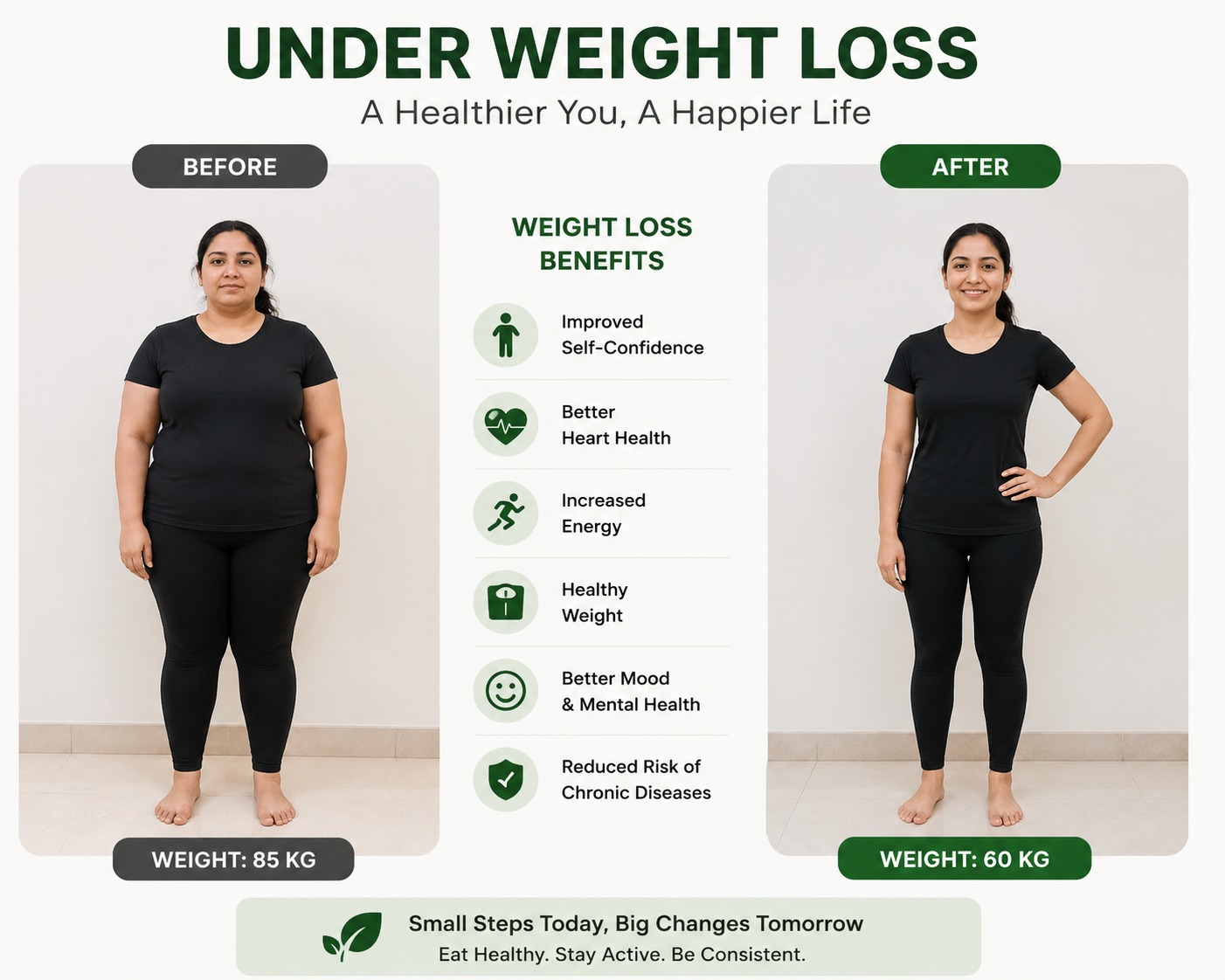
For years, carbohydrates have been cast as the villain in the story of weight loss. Starchy foods like potatoes, rice, and pasta have been banished from countless diets under the belief that they spike blood sugar and pack on pounds. But nutrition science is revealing a fascinating twist: a specific type of carbohydrate known as resistant starch acts more like a powerful prebiotic fiber than a fat-storing sugar. Far from being a dietary enemy, these "bad" carbs can actually help you burn fat, improve your metabolism, and reshape your gut health .
What Exactly is Resistant Starch?
Resistant starch is a unique form of carbohydrate that earns its name by living up to it—it resists digestion . While most starches are broken down into glucose and absorbed in the small intestine, resistant starch passes through this process largely intact. It travels all the way to the large intestine or colon, where it becomes a primary food source for the trillions of beneficial bacteria that make up your gut microbiome .
Functionally, resistant starch behaves much like soluble dietary fiber. It is not absorbed as sugar, so it contributes fewer calories (about 2 kcal per gram compared to 4 kcal for regular starch) and does not cause the same blood sugar spikes . But the real magic happens in the colon. There, the gut bacteria ferment the resistant starch and produce short-chain fatty acids (SCFAs), primarily butyrate, propionate, and acetate. These SCFAs are the key drivers behind the metabolic benefits that turn resistant starch from a "bad" carb into a fat-fighting ally .
The Five Faces of Resistant Starch
Resistant starch isn't a single substance but a category with different types based on its source and structure . While complex, understanding these categories helps identify where to find them:
Type 1 (RS1): Physically inaccessible starch, trapped within the fibrous cell walls of whole grains, seeds, and legumes.
Type 2 (RS2): Native granular starch found in raw potatoes and unripe (green) bananas.
Type 3 (RS3): Retrograded starch that forms when starchy foods like rice, potatoes, and pasta are cooked and then cooled. This is the most accessible and practical type to incorporate into your diet.
Type 4 (RS4): Chemically modified starches used in processed foods.
Type 5 (RS5): Starch-lipid complexes formed by cooking starch with fats .
For practical purposes, Types 1, 2, and 3 are our focus for whole-food nutrition. The cooling process that creates Type 3 is one of the easiest ways to boost the resistant starch content of your favorite meals .
How Resistant Starch Shreds Fat and Transforms Metabolism
The evidence supporting resistant starch as a weight-loss tool is growing, bolstered by rigorous human clinical trials. A landmark 2024 randomized controlled trial published in Nature Metabolism demonstrated that supplementing the diet with 40 grams of resistant starch daily led to a significant average weight loss of 2.8 kilograms (over 6 pounds) over just eight weeks. The participants also saw a reduction in fat mass and waist circumference . The study confirmed that the benefits were not just about fewer calories, but about a fundamental shift in the participants' gut biology.
1. Feeds Good Bacteria and Suppresses Inflammation
The study found that resistant starch supplementation increased the abundance of Bifidobacterium adolescentis, a beneficial gut bacterium. When researchers transferred the gut microbiome from participants who had eaten resistant starch into mice, the animals were protected from diet-induced obesity. This establishes a direct causal link: the weight loss from resistant starch is at least partially driven by changes in the gut microbiome .
The fermentation of resistant starch produces butyrate, a short-chain fatty acid that serves as the primary energy source for colon cells. Butyrate is a crucial regulator of metabolism—it helps restore the intestinal barrier, reducing inflammation (lowering pro-inflammatory cytokines like TNFα and IL-1β) and inhibiting lipid absorption . By reducing systemic inflammation, butyrate improves the body's hormonal environment, making it easier to lose weight and manage blood sugar.
2. Improves Insulin Sensitivity
When the body's cells become resistant to insulin, the pancreas works harder to clear sugar from the blood, promoting fat storage. The Nature Metabolism trial revealed that the same resistant starch intervention that caused weight loss also significantly improved insulin sensitivity. This means the participants' bodies became more efficient at using blood sugar for energy rather than storing it as fat .
3. Increases Satiety and Lowers Caloric Absorption
Because resistant starch is not digested in the small intestine, it contributes fewer calories to your meal. Furthermore, its fermentation by gut microbes produces metabolites that signal to the brain, promoting a feeling of fullness and satiety. This can help reduce overall calorie intake without the feeling of deprivation that often sabotages diets .
The Gut Microbiome: Your Personal Fat-Burning Engine
The effectiveness of resistant starch is intimately tied to the health and diversity of your gut microbiome. The specific structural characteristics of the starch—whether it is a high-amylose starch (often from beans or high-amylose maize) or a retrograded starch (cooked and cooled)—influence which bacterial species thrive and which short-chain fatty acids are produced . For instance, some structures selectively promote butyrate-producing bacteria like Agathobacter and Faecalibacterium, which are heavily involved in metabolic health .
This means your body's ability to benefit from resistant starch depends on the existing ecosystem of your gut. A diet rich in diverse fibers helps cultivate a microbiome capable of efficiently fermenting resistant starch and producing the beneficial SCFAs that drive fat loss .
Top "Bad" Carbs That Are Actually Good For You
Transforming your pantry staples into fat-burning foods is simpler than you think. The key process is cooking, cooling, and sometimes reheating . Here are the top resistant starch powerhouses:
1. Rice and Pasta: The Cooling Effect
Freshly cooked white rice and pasta are high in digestible starch, which can quickly raise blood sugar. However, when you cook them and then cool them in the refrigerator for several hours or overnight, the starch molecules crystallize and become resistant to digestion. This is a powerful trick to lower the glycemic load of your meal and boost the prebiotic content .
Pro-Tip: Meal prep a batch of rice or pasta for the week. The resistant starch content increases the longer it is chilled. Even if you reheat it gently, some of the resistant starch remains intact, making leftover fried rice a surprisingly gut-healthy option .
2. Potatoes and Sweet Potatoes
Potatoes have long been a villainized carb, but the narrative changes when they are cooked and cooled. A boiled potato that is cooled to room temperature develops a significantly higher resistant starch content. This makes potato salad (made with a vinaigrette, not heavy mayo) a fantastic source of resistant starch. The skin itself is also rich in RS1 type resistant starch .
3. Oats: The Overnight Sensation
Uncooked oats are a rich source of Type 2 resistant starch. The popular trend of overnight oats is not just convenient; it is a nutritional win. Soaking oats in milk or yogurt without cooking them preserves the resistant starch content, providing a breakfast that supports gut health and provides steady energy all morning .
4. Beans, Peas, and Lentils: The All-Stars
Legumes like lentils, chickpeas, pinto beans, and split peas are exceptional sources of resistant starch, particularly Type 1. They contain a robust fibrous matrix that physically protects the starch from digestion. Even when cooked, they retain a substantial amount of resistant starch. Adding beans to soups, salads, or chili is a simple way to skyrocket your intake . Canned beans also work well and offer high amounts of resistant starch .
5. Green (Unripe) Bananas
While a yellow banana with brown spots is mostly sugar, a green banana is rich in Type 2 resistant starch. You can slice green bananas into salads or smoothies, or use green banana flour as a gluten-free baking alternative .
How to Add 40g of Resistant Starch to Your Diet
The clinical trial that demonstrated significant weight loss utilized a 40-gram supplement of resistant starch. While you don't necessarily need a supplement, you can aim for this level through whole foods . A general recommendation is to aim for at least 6 grams of resistant starch per meal .
Breakfast: A bowl of overnight oats made with uncooked rolled oats, milk, and berries.
Lunch: A large salad with a cup of cooked, cooled chickpeas or lentils.
Dinner: A serving of reheated leftover rice or pasta with plenty of vegetables. The key is the cycle of cooking and cooling the starch prior to consumption.
A Word of Caution
While resistant starch is incredibly beneficial, it is a fermentable fiber. For individuals with sensitive digestive systems or conditions like Irritable Bowel Syndrome (IBS), a sudden large increase could cause bloating and gas as the bacteria in the colon break it down . As with any dietary change, it is wise to increase your intake gradually to allow your gut microbiome to adapt.
Conclusion: Reintroduce the Good Carbs
The story of carbohydrates is far more nuanced than simply "carbs make you fat." Resistant starches found in cooled potatoes, pasta, rice, and beans are powerful allies in metabolic health. By passing through the small intestine undigested, they avoid the blood sugar rollercoaster and instead become fuel for the beneficial bacteria that control your appetite, reduce inflammation, and help you burn fat . The science is clear: these are the "bad" carbs that are actually doing a world of good. By simply changing how you prepare your food—embracing the cook-chill-reheat method—you can transform ordinary meals into potent fat-burning tools.