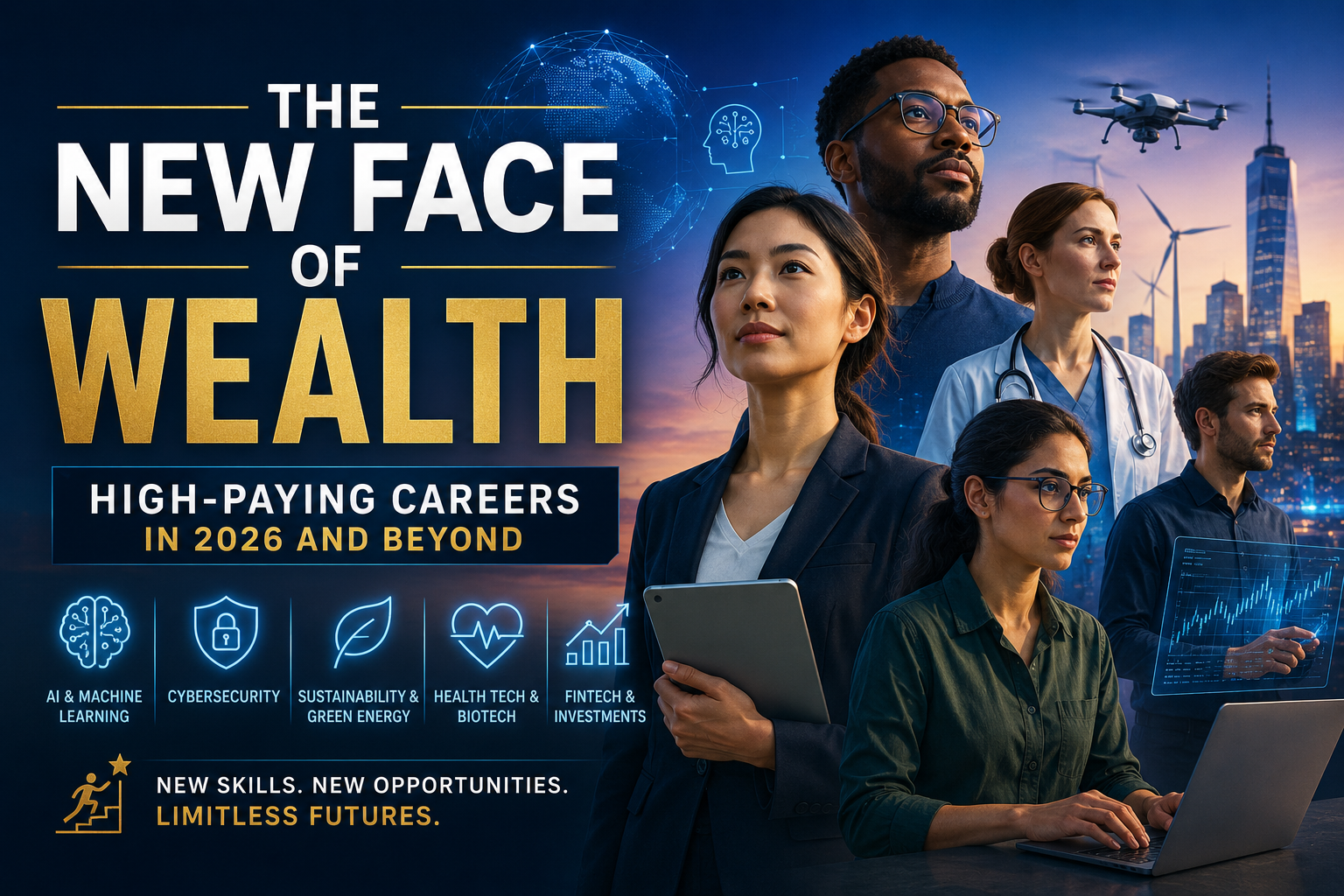
The tech industry continues to offer lucrative and stable career paths, with software developers earning a median annual salary of $133,080 and the field projected to grow by 15% through 2034 . With roughly 129,200 openings projected each year, the demand for skilled programmers remains high . The best part? You do not need to spend a dime to get started. The internet is saturated with high-quality, free resources that can take you from absolute beginner to job-ready developer.
However, the sheer volume of options can be overwhelming. This guide cuts through the noise by providing an in-depth analysis of the best free coding websites available in 2026, categorized by learning style, goals, and features. We will explore comprehensive curricula, interactive platforms, specialized practice sites, and even university-grade courses.
At a Glance: The Best Free Coding Websites of 2026
The most critical distinction between platforms is what "free" actually entails. Some platforms are entirely free, while others operate on a freemium model where introductory content is free but career paths require payment .
| Platform | Completely Free? | Best For | Key Technologies |
|---|---|---|---|
| freeCodeCamp | Yes | Self-motivated learners wanting a comprehensive curriculum | JavaScript, Python, HTML/CSS, Data Science, Machine Learning |
| The Odin Project | Yes | Self-starters who learn best by building projects | Full Stack JavaScript, Ruby on Rails |
| CS50 (Harvard) | Yes | Learners wanting deep computer science fundamentals | C, Python, SQL, JavaScript |
| Scrimba | Freemium | Hands-on learners who like interactive screencasts | JavaScript, HTML/CSS, Node.js, TypeScript, Python |
| Khan Academy | Yes | Younger learners and absolute beginners | JavaScript, HTML/CSS, SQL |
| MIT OpenCourseWare | Yes | Learners seeking university-level depth and CS theory | Python, Algorithms, Computer Science fundamentals |
Best All-in-One Comprehensive Curricula
For learners who want a structured, end-to-end path to becoming a developer without paying a penny, freeCodeCamp and The Odin Project are unparalleled.
freeCodeCamp: The Ultimate Free Full-Stack Curriculum
freeCodeCamp is a nonprofit and the gold standard for free coding education . It offers thousands of hours of interactive coding challenges that culminate in professional certifications . Unlike many platforms, everything on freeCodeCamp is 100% free, with no premium tier or trial period .
The curriculum is project-based; you learn by building real-world applications. To earn a certification—such as Responsive Web Design or JavaScript Algorithms and Data Structures—you must complete five required projects . This portfolio-building approach is invaluable for demonstrating skills to employers. The platform has a massive community, including a forum, a Discord server, and a YouTube channel with thousands of hours of tutorials . It's ideal for disciplined, self-motivated learners who prefer text-based learning and building a substantial portfolio .
The Odin Project: Learning by Building from Day One
If freeCodeCamp is a guided textbook, The Odin Project is a "learn by doing" workshop. This completely free, open-source curriculum is known for its project-heavy, "full-stack" approach .
The Odin Project encourages you to use the tools professional developers use from day one—Git, GitHub, the command line, and Visual Studio Code—rather than a browser-based editor . It offers two main paths: Full Stack JavaScript and Full Stack Ruby on Rails. The curriculum provides resources, reading materials, and assignments, then sets you loose to build projects with minimal hand-holding . This mimics the problem-solving reality of a job and is perfect for self-starters who thrive on ambiguity and want to learn how to think like a developer.
Best for Building a Computer Science Foundation
If you aspire to understand not just how to code, but the underlying principles of how computers and algorithms work, these university-backed resources are your best bet.
CS50's Introduction to Computer Science (Harvard/edX)
Taught by the charismatic Professor David Malan, CS50 is Harvard's legendary introduction to computer science and has drawn over 6 million registrants . The course is academically rigorous and covers a broad range of languages—C, Python, SQL, JavaScript, HTML, and CSS—alongside core concepts like algorithms, data structures, and memory management .
CS50 expects a significant time commitment—around 10-20 hours per week for 12 weeks . While the course itself is free, a verified certificate on edX costs extra . This is the best option for learners who want a prestigious, university-grade foundation in computer science, not just a quick path to building websites .
MIT OpenCourseWare
MIT OpenCourseWare provides free access to nearly all of MIT's course materials, including lecture notes, assignments, and exams . While you won't get instructor interaction or a certificate, you can learn from the exact same materials as an MIT student. It's a phenomenal resource for self-learners who are comfortable with high-level, theoretical content and want to dive deep into specific topics like algorithms, programming languages, or artificial intelligence .
Best Interactive and Hands-On Platforms
For those who need constant engagement and immediate feedback, interactive platforms like Scrimba and Codecademy provide an active learning experience.
Scrimba: Code Inside the Lesson
Scrimba provides a unique interactive screencast experience where you can pause the instructor's video and edit the code directly within the lesson . Its free tier includes high-quality introductory courses, such as Learn HTML and CSS and Learn JavaScript, which are enough to build a solid foundation . Scrimba's Frontend Developer Career Path, which is aligned with the MDN Curriculum, is a paid offering, but the free courses offer a taste of its engaging "learning by doing" approach . It is ideal for hands-on learners who want to code alongside an instructor rather than passively watch a video.
Codecademy: Best for Short, Quick Exercises
Codecademy is well-known for its browser-based, interactive exercises that provide instant feedback, making it easy to get started without installing anything . Its free tier offers basic courses in popular languages like Python and JavaScript. It can be a great tool for complete beginners to get a feel for syntax. However, it operates as a freemium model. The vast majority of its structured content, projects, and career paths are locked behind a Pro subscription, making it a sampling tool rather than a complete free curriculum .
Best Practice and Problem-Solving Platforms
Once you've learned the basics, you need to practice. These platforms offer a gamified and challenging way to sharpen your skills through coding puzzles and problems.
Codewars and LeetCode: Sharpen Your Skills
Codewars and LeetCode are the go-to platforms for honing problem-solving skills, particularly for technical interviews . Codewars uses gamified challenges called "katas" that increase in difficulty and are solved in over 50 languages . LeetCode features thousands of problems, many from actual tech company interviews, focusing heavily on data structures and algorithms . These platforms are not structured curricula, but they are essential for building algorithmic thinking and preparing for coding assessments.
Exercism: Learn with Mentor Feedback
Exercism offers a unique and valuable free learning experience: mentored coding practice . You solve programming exercises on your own, but then submit them for feedback from real, volunteer human mentors . The feedback is personalized and often focuses on professional best practices and code style, which is critical for improving. This platform is excellent for learners who have a basic grasp of a language but want to deepen their knowledge and write better code, especially in languages like Java where following conventions is important .
Platforms for Younger Learners and Gamification
Learning to code doesn't have to be all logic and syntax. For younger or more visual learners, game-based platforms turn programming into a fun adventure.
CodeCombat: Learn Real Code in an RPG
CodeCombat is a fantastic platform that teaches real programming languages—Python and JavaScript—within an interactive fantasy role-playing game (RPG) . Instead of dragging blocks, students write actual code to command their hero to battle enemies and solve puzzles . This approach is highly engaging and teaches real syntax, making it a great step up from purely visual block-based coding for teens and pre-teens .
Scratch and Khan Academy: Visual and Accessible
Scratch is the world's largest coding community for children and uses a visual, block-based interface that makes coding as simple as snapping together digital LEGOs . It is perfect for creating games, animations, and interactive stories. Khan Academy offers an equally free and gentle introduction to coding with visual, step-by-step lessons in JavaScript, HTML/CSS, and SQL . Its focus on interactive visualizations makes abstract concepts concrete and accessible, especially for younger learners and absolute beginners .
Additional Free Resources
YouTube: Massive library of free coding tutorials. FreeCodeCamp's YouTube channel offers comprehensive, 8-10 hour courses on a wide range of topics . Channels like The Net Ninja and Traversy Media are also excellent for learning modern frameworks .
W3Schools and MDN Web Docs: These are not full curricula but are the internet's most trusted reference manuals for web development. W3Schools is a great starting point for syntax with its "Try It Yourself" editor, while MDN Web Docs is the authoritative resource for HTML, CSS, and JavaScript .
Microsoft Learn and Google Digital Garage: Both offer excellent, free, self-paced learning paths. Microsoft Learn is fantastic for cloud computing (Azure), AI, and development tools, while Google Digital Garage covers AI, cloud, and digital marketing basics .
Conclusion
The path to becoming a developer in 2026 is paved with free, high-quality resources. The key is to choose a platform that aligns with your learning style. For the most comprehensive and project-based curriculum, start with freeCodeCamp or The Odin Project. If you crave a deep understanding of computer science, commit to CS50. For a more interactive and visual experience, explore Scrimba and Khan Academy. Once you've mastered the basics, sharpen your skills on Codewars or Exercism.
The best strategy is often to combine multiple free resources to build a well-rounded understanding. Remember, the journey from free learner to paid developer is well-traveled and entirely achievable with the right mindset and resources . Start building projects today, engage with the community, and don't hesitate to ask for help. The coding world is yours for the taking.