The entrepreneurial dream is often painted with the broad brushstrokes of venture capital pitches and angel investor meetings. Yet, for countless successful founders, the true foundation of their empire was far more personal: their own savings. Starting a business with personal savings—a method known as bootstrapping—is a testament to discipline, strategic planning, and profound belief in your vision.
It’s a path that demands rigor but offers unparalleled control, equity retention, and the deep-seated satisfaction of building something truly your own. This comprehensive guide will walk you through every critical step, from mindset to market launch, ensuring your hard-earned savings translate into a viable, thriving business.
The Bootstrapper’s Mindset: Embracing Frugality and Control
Before you transfer a single dollar from your savings account, you must adopt the core mentality of a bootstrapper. This journey is fundamentally different from a venture-funded start-up.
1. You Are the Ultimate Stakeholder: There’s no board to please, no investor milestones that distract from your core customers. Every decision is yours, for better or worse. This autonomy allows for incredible agility and a pure focus on product-market fit, but it also means the weight of responsibility rests solely on your shoulders.
2. Frugality is a Superpower: Bootstrapping transforms frugality from a constraint into a creative force. It demands innovative thinking—how to achieve professional results on a shoestring budget. This lean approach often leads to more efficient, customer-centric business models that avoid the bloat of prematurely scaled operations.
3. Profitability is Non-Negotiable: Unlike venture-backed businesses that can prioritize growth over revenue for years, a bootstrapped business must generate positive cash flow to survive. This instills a relentless focus on value creation, revenue streams, and financial health from day one.
4. Commitment to Sustainable Growth: Growth is funded by revenue, not rounds of investment. This typically leads to more organic, sustainable, and manageable expansion, ensuring the business scales at a pace its foundations can support.
Phase 1: The Pre-Launch Foundation – Planning and Protection
This phase is about minimizing risk before you spend a cent. Meticulous planning here is the best investment you can make.
A. Validating Your Business Idea
Your savings are too precious to spend on an unproven concept. Validation is your first and most crucial step.
Market Research: Use free tools like Google Trends, industry reports, and social media listening to assess demand, audience size, and competition.
Problem-Solution Fit: Clearly articulate the specific problem you’re solving. Is it painful enough that people will pay for your solution?
The MVP (Minimum Viable Product) Test: Create the simplest version of your product or service. This could be a landing page explaining your offer with a "Waitlist" sign-up, a prototype, or a service offered to a handful of pilot clients. The goal is to gather feedback and confirm interest before building the full offering.
B. Creating a Lean Business Plan
Forget the 50-page document. Focus on a living, one-page business plan that outlines:
Value Proposition: What you offer and why it’s unique.
Target Customer: A detailed profile of your ideal client.
Revenue Model: How you will make money (sales, subscriptions, commissions, etc.).
Marketing Strategy: How you will reach customers cost-effectively.
Key Metrics: How you will measure success (e.g., customer acquisition cost, lifetime value, monthly revenue).
Initial Cost Structure: A detailed list of anticipated startup expenses.
C. The Financial Firewall: Separating Personal and Business Finances
This is non-negotiable for legal protection and clear accounting.
Form a Legal Entity: Establish a Limited Liability Company (LLC) or Corporation. This creates a legal separation between you and your business, protecting your personal assets (like your home and savings) from business liabilities. Use online legal services or consult an attorney for this critical step.
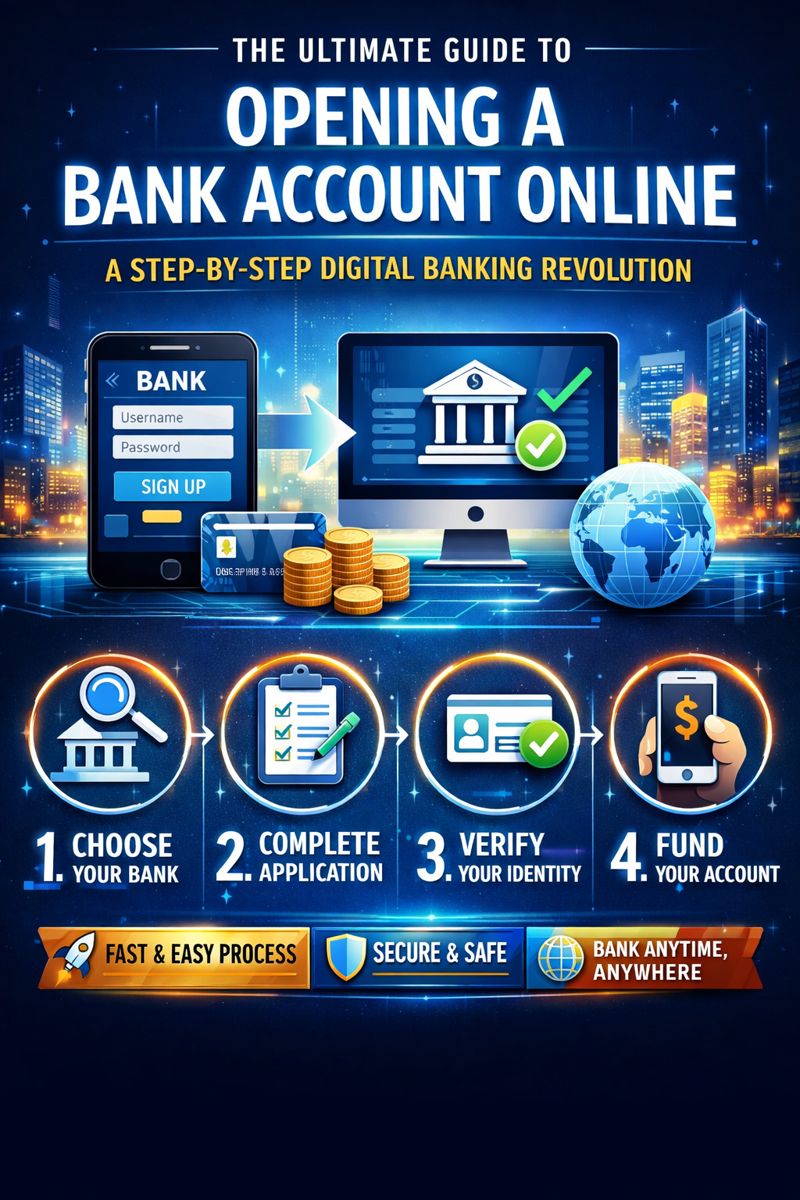
Open a Dedicated Business Bank Account: Never co-mingle personal and business funds. This account will be the hub for all income and expenses.
Get a Business Credit/Debit Card: Use it for all business purchases to simplify bookkeeping and build a business credit history.
Implement Simple Accounting: Use software like QuickBooks, FreshBooks, or even a well-organized spreadsheet from day one. Track every penny in and out.
D. Calculating Your "Runway" and Setting a Budget
This is the heart of bootstrapping with savings.
Determine Your Total Usable Savings: Decide on a specific, non-negotiable portion of your savings you are willing to allocate. Crucially, always maintain a separate emergency fund for personal living expenses.
List All Startup Costs: Itemize every expense needed to launch:
One-Time Costs: Legal fees, business registration, website domain/hosting, initial inventory, equipment, branding/logo design.
Recurring Monthly Costs: Software subscriptions (email marketing, accounting), rent (if applicable), web hosting, marketing budgets, payment processing fees.
Calculate Monthly Burn Rate: Sum your recurring personal and business expenses.
Establish Your Runway: Divide your allocated startup capital by your monthly burn rate. This gives you the number of months you have to become profitable before the money runs out. For example, $15,000 savings / $3,000 monthly burn = a 5-month runway. Your goal is to generate enough revenue to cover your burn rate before this period ends.
Phase 2: Launching Lean – Maximizing Impact, Minimizing Cost
With a plan and a protected runway, it’s time to build and launch with cost-efficiency as your guiding principle.
A. Building Your Digital Presence on a Budget
Website: Use user-friendly, affordable platforms like Squarespace, Wix, or WordPress with a premium theme. Your site must be clear, professional, and optimized for conversions (clear calls-to-action, contact forms).
Branding: Utilize freelance marketplaces like Fiverr or 99designs for logo and basic graphic design. Develop a consistent color palette and typography using free tools like Canva.
Essential Tech Stack: Start with free or low-cost tools: Google Workspace (email, docs), Mailchimp (email marketing), Buffer or Meta Business Suite (social scheduling), and a simple CRM.
B. Developing Your Product or Service
Service Businesses: Start as a solopreneur. You are the service. Use your skills and time directly to generate the first revenue. Document your processes to eventually create systems for hiring.
Product Businesses (Physical): Start small. Use pre-orders via your website to fund your first production run. Consider print-on-demand or drop-shipping to eliminate inventory risk initially.
Product Businesses (Digital): Create a course, ebook, or software tool. Use no-code tools like Teachable, Gumroad, or Bubble to build and sell without large development costs.
C. Cost-Effective Marketing & Sales for Day One
Leverage Your Network: Inform friends, family, and former colleagues. A personal recommendation is your most powerful and cheapest marketing tool.
Content Marketing: Start a blog, podcast, or YouTube channel addressing your audience's problems. This builds authority and drives organic traffic via SEO.
Strategic Social Media: Don’t be everywhere. Pick 1-2 platforms where your ideal customers spend time. Engage authentically; don’t just broadcast.
Partnerships & Collaborations: Partner with non-competing businesses that share your target audience for co-marketing, guest blogs, or bundled offers.
Direct Outreach: Personalized, value-driven emails or LinkedIn messages can secure your first clients without an advertising budget.
Phase 3: The Growth Engine – Reinvesting Revenue and Scaling Sustainably
Once revenue starts flowing, the bootstrapper’s strategy shifts to disciplined reinvestment.
A. The 50/30/20 Reinvestment Rule (A Bootstrap Guideline)
A prudent framework for allocating early revenue:
50% to Essential Costs & Owner’s Draw: Cover your core business expenses and provide yourself a modest, sustainable salary.
30% to Growth Initiatives: Reinvest into marketing, new product development, or hiring your first part-time virtual assistant to free up your time.
20% to a Business Emergency Fund: Build a cash buffer for unexpected expenses or slow periods, ensuring you never have to dip back into personal savings.
B. Key Metrics to Live By (Your Financial Dashboard)
Monitor these religiously:
Cash Flow: The net amount of cash moving in and out. Positive cash flow is your primary goal.
Profit Margins: Revenue minus all costs. Understand your gross and net margins intimately.
Customer Acquisition Cost (CAC): How much you spend to gain one customer.
Lifetime Value (LTV): The total revenue a customer generates. Aim for an LTV:CAC ratio of 3:1 or higher.
Runway (Updated): Recalculate monthly as your revenue and expenses evolve.
C. When and How to Hire Your First Employee
Hire only when a specific task is overwhelming you and you have consistent revenue to cover that salary. Start with a part-time or contract role for a specialized task (e.g., social media manager, bookkeeper). This preserves cash flow while adding capacity.
The Inherent Advantages and Challenges of Bootstrapping
Advantages:
Complete Control: You make all strategic decisions without external influence.
100% Equity Retention: You own the entire business; all future profits are yours.
Forces Discipline & Efficiency: A limited budget breeds creativity and focus on what truly matters.
Strong Foundation: Businesses built on revenue rather than speculation are often more resilient.
Challenges:
Limited Resources: You must be scrappy and patient; growth may be slower.
Personal Financial Risk: Your own money is on the line, which can be stressful.
Wearing All Hats: You’ll be CEO, marketer, accountant, and customer service rep initially, leading to long hours and a steep learning curve.
Conclusion: The Path of Principled Entrepreneurship
Starting a business with personal savings is more than a funding strategy; it's a philosophy of entrepreneurship. It’s a commitment to building value from the ground up, guided by customer feedback and financial prudence. The journey will test your resolve, creativity, and perseverance.
However, the rewards—absolute autonomy, the profound lessons in fiscal management, and the unadulterated ownership of your success—are immense.
By following this detailed roadmap, you transform your personal savings from mere currency into the cornerstone of a legacy, building not just a company, but a testament to your own vision and grit. Start lean, plan meticulously, execute relentlessly, and let your revenue be the fuel that powers your dream forward.