Introduction: Breaking the Paycheck-to-Paycheck Cycle
For many young Kenyans, financial life can feel like a relentless treadmill. The cycle is familiar: M-Pesa hits, bills are paid, loans are serviced, and by mid-month, the countdown to the next salary begins. In an economy marked by a vibrant gig sector, digital credit, and rising costs, the idea of long-term wealth building often feels like a distant dream reserved for a select few. Yet, the transition from merely managing pesa (money) to funding your purpose is not only possible—it’s essential for achieving true financial freedom. This guide is a practical, step-by-step blueprint for millennials and Gen Z in Kenya. It’s designed to move you from short-term survival to strategic, long-term wealth creation, transforming financial discipline from a burden into your most powerful tool for building the future you envision.
Mindset Shift: Viewing Money as a Tool, Not a Target
The journey begins in the mind. The first, and most crucial, step is to shift your perspective on money. Rather than seeing it as a finite resource that constantly slips away, reframe it as a tool—a means to build security, create opportunities, and unlock your life’s goals. This means moving beyond the instant gratification culture fueled by “Buy Now, Pay Later” schemes and flashy social media lifestyles. Embrace the concept of delayed gratification. Understanding that the small sacrifices you make today—like skipping that impulsive online purchase or cooking at home—are direct investments in your future self’s stability and choices. Financial planning is, at its core, the process of aligning your daily habits with your deepest values and long-term aspirations.
Stage 1: Foundation – Digging Out of Debt and Creating a Buffer
Before you can build a skyscraper, you need stable ground. For most, this means addressing the two most pressing financial leaks: digital debt and the lack of a safety net.
Conquering the Digital Loan Trap: Apps like Tala, Branch, and Okash offer seductive, quick fixes. However, their effective annual interest rates can be astronomically high, sometimes exceeding 100%. This debt cycle is the single biggest barrier to saving. Your first financial mission is to break free. List all your digital loans, noting balances and interest rates. Use the debt avalanche method: prioritize paying off the loan with the highest interest rate first while making minimum payments on others. Consider a temporary side hustle dedicated solely to clearing this debt. The psychological and financial relief of being loan-free is your launchpad.
Building Your Financial Shock Absorber: The Emergency Fund: Life is unpredictable. A medical emergency, a sudden car repair, or a family need can derail your progress if you’re forced to borrow. Immediately after clearing high-interest debt, start building an emergency fund. This is not investment money; it’s insurance. Aim for 3-6 months’ worth of essential living expenses (rent, food, utilities). Start small, with a goal of Ksh 5,000, then Ksh 20,000. Store this fund in a separate, liquid account where you won’t be tempted to dip into it—consider a dedicated M-Shwari savings pot or a low-transaction savings account. This fund turns a crisis into a manageable inconvenience.
Stage 2: Strategic Planning – Budgeting with Your Future in Mind
With a clean slate and a safety net, you can now plan proactively. This is where your money truly starts working for your future.
Mastering the Budget: The 50/30/20 Rule, Kenyan Edition: A budget is a plan for your priorities. The 50/30/20 rule is an excellent framework:
50% on Needs: Essentials like rent, groceries, utilities, and essential transport.
30% on Wants: Lifestyle choices—dining out, entertainment, hobbies, and non-essential shopping.
20% on Savings & Debt Repayment: This is your future category. It funds your emergency savings, investments, and low-interest debt payments.
Use tools like spreadsheets, mobile budgeting apps (e.g., Money Manager), or even a simple notebook to track every shilling for one month. You’ll likely find “wants” creeping into the “needs” category. The goal is awareness and conscious reallocation towards your 20% future fund.
Goal-Based Saving: From Dreams to Deadlines: “Saving” feels abstract until it has a name and a timeline. Define your SMART financial goals:
Short-Term (1-3 years): A new laptop, a vacation, a course to upgrade your skills.
Mid-Term (3-7 years): A down payment for a car, wedding expenses, or capital to start a business.
Long-Term (7+ years): A home purchase, your children’s education, or a comfortable retirement.
Open separate goal-based savings accounts or use mobile banking features like “Sub-Accounts” or “Lock Savings” for each major goal. Automate transfers right after you get paid. This method, called “paying yourself first,” ensures your goals are funded before lifestyle inflation can eat up the money.
Stage 3: Building Your Legacy – Credit, Assets, and Protection
This stage is about constructing a resilient financial identity and protecting what you build.
Understanding and Managing Your Credit Score (CRB): In Kenya, your credit report with the Credit Reference Bureaus (CRBs) is your financial reputation. A good score is critical for accessing major loans (like mortgages) at favorable rates. You build a good score by:
Repaying all loans (including mobile loans) on time.
Keeping old, well-managed accounts open to show a long credit history.
Avoiding maxing out your credit limits.
You can check your status for a small fee via SMS or through the CRB’s website. A negative listing isn’t a life sentence; work on clearing the outstanding debt and request a Clearance Certificate to begin rebuilding.
Retirement Planning: It’s Not Too Early – NSSF and Beyond: Retirement may seem a lifetime away, but compound interest rewards the early starter. If you are formally employed, you are contributing to the National Social Security Fund (NSSF). Understand your contributions. Crucially, this should be your floor, not your ceiling. Supplement it with a private pension scheme offered by insurers like Britam, ICEA, or via your employer. Consider a Retirement Benefits Scheme or a Personal Pension Plan, where contributions are tax-deductible. For the self-employed, these private plans are non-negotiable. Starting with even Ksh 1,000 per month in your 20s can grow into a substantial sum, thanks to decades of compound growth.
The Ultimate Adulting: Writing a Will: This is the most overlooked aspect of financial planning. A will is not for the wealthy elderly; it’s for any adult with assets or dependents. It dictates what happens to your bank accounts, digital assets, and property if you’re gone. Without one, the law takes over, potentially causing lengthy disputes and hardship for your family. You can start with a simple written will, signed and witnessed by two independent adults. For more complex estates, consult a lawyer. It’s a profound act of responsibility and care.
Stage 4: Growing Your Wealth – Introduction to Investing
Saving preserves money; investing grows it. Beating inflation requires your money to work.
Start with Low-Risk Avenues: Begin your investing journey with familiar, lower-risk options:
High-Yield Savings Accounts & Fixed Deposits: Offered by banks and SACCOs, they provide better returns than regular accounts.
Government M-Akiba Bonds: Purchaseable via M-Pesa from as little as Ksh 3,000, they offer tax-free interest every six months.
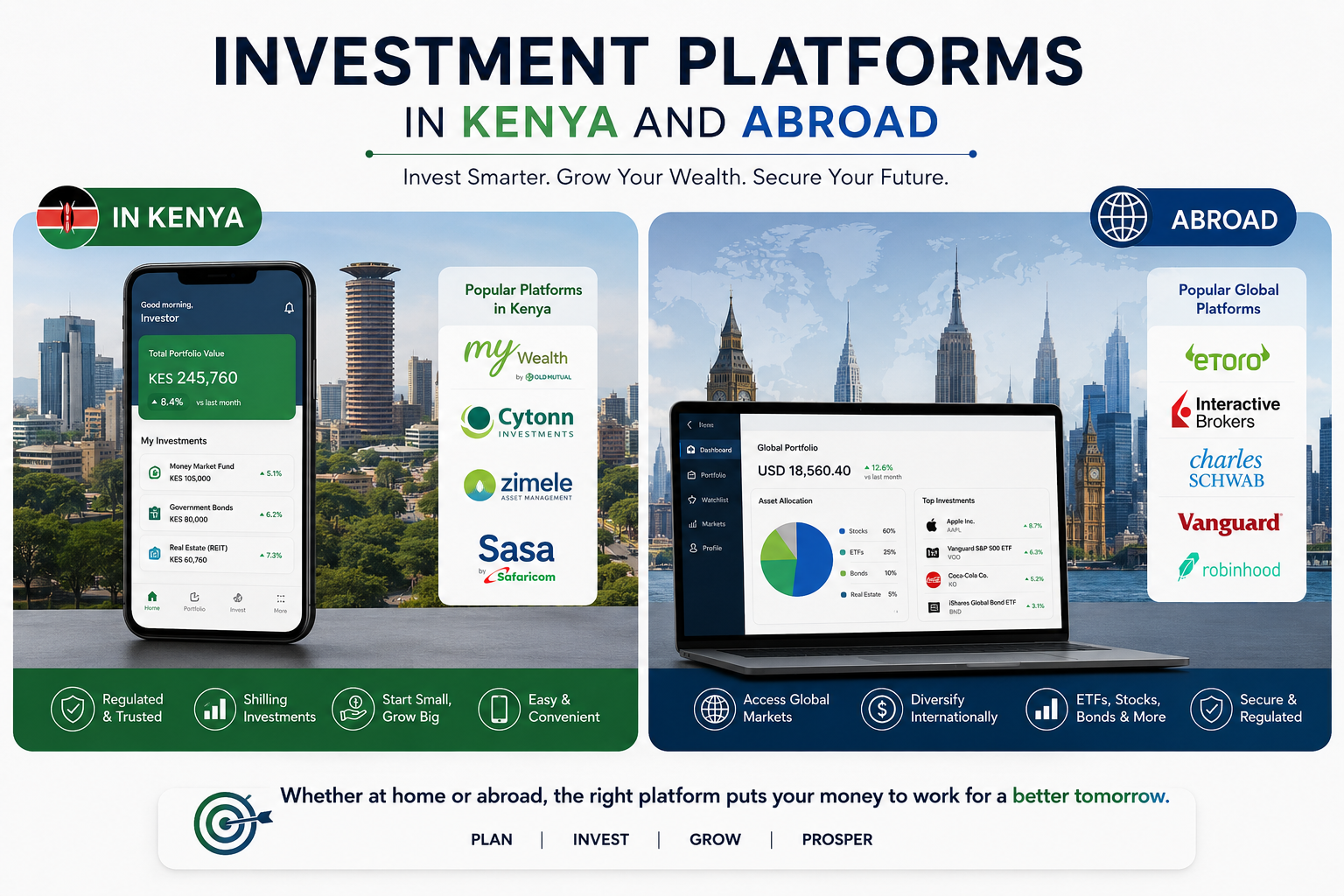
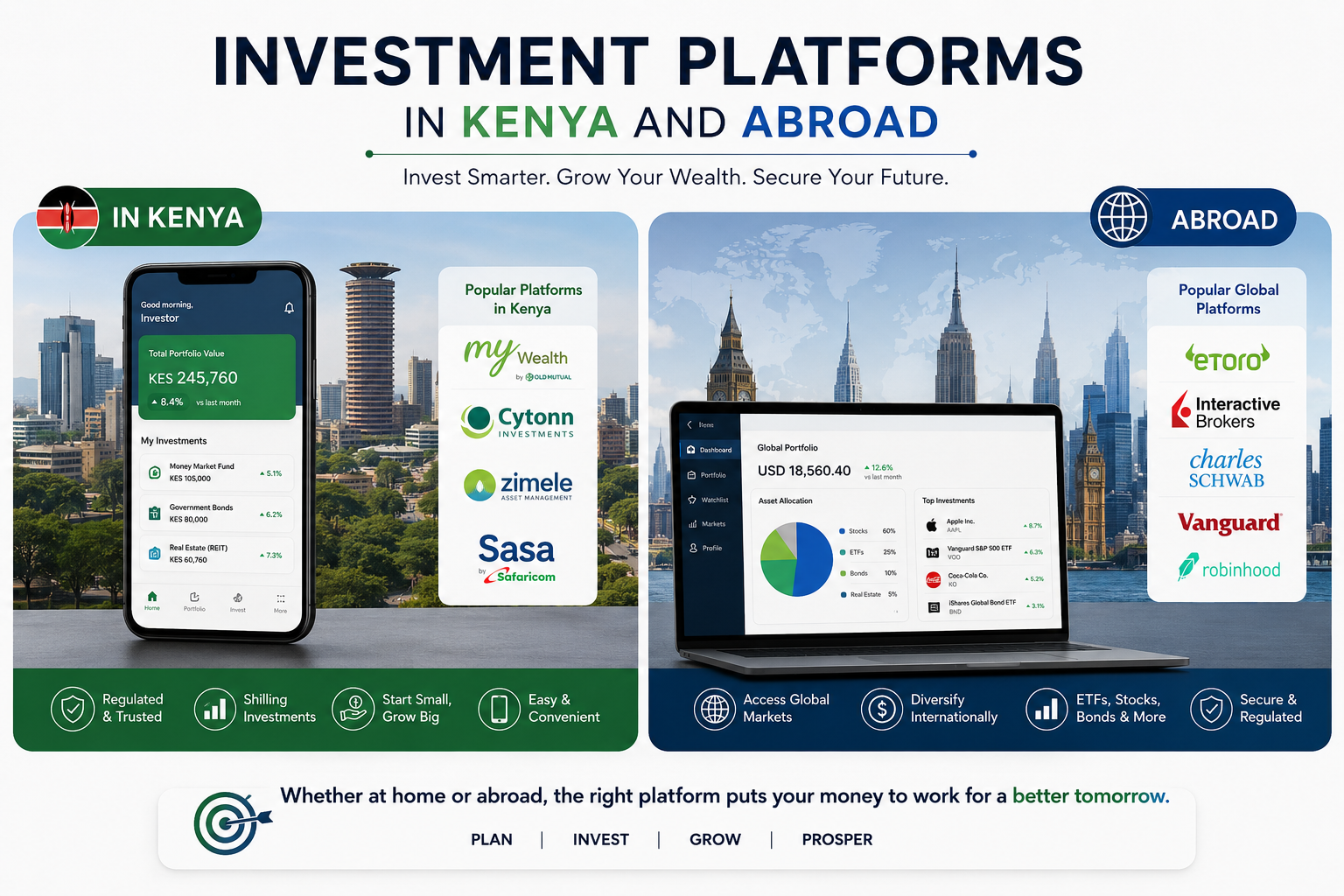
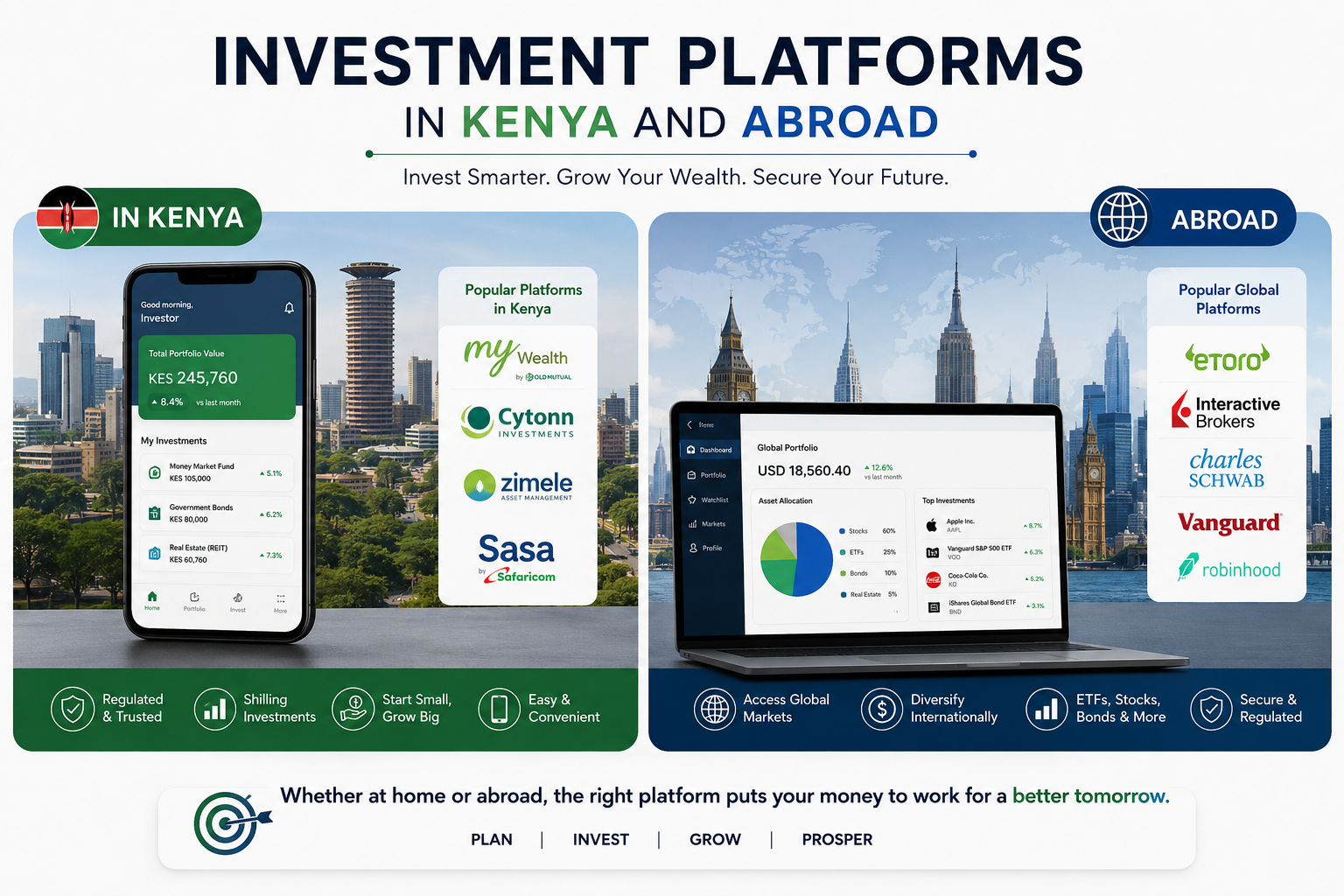
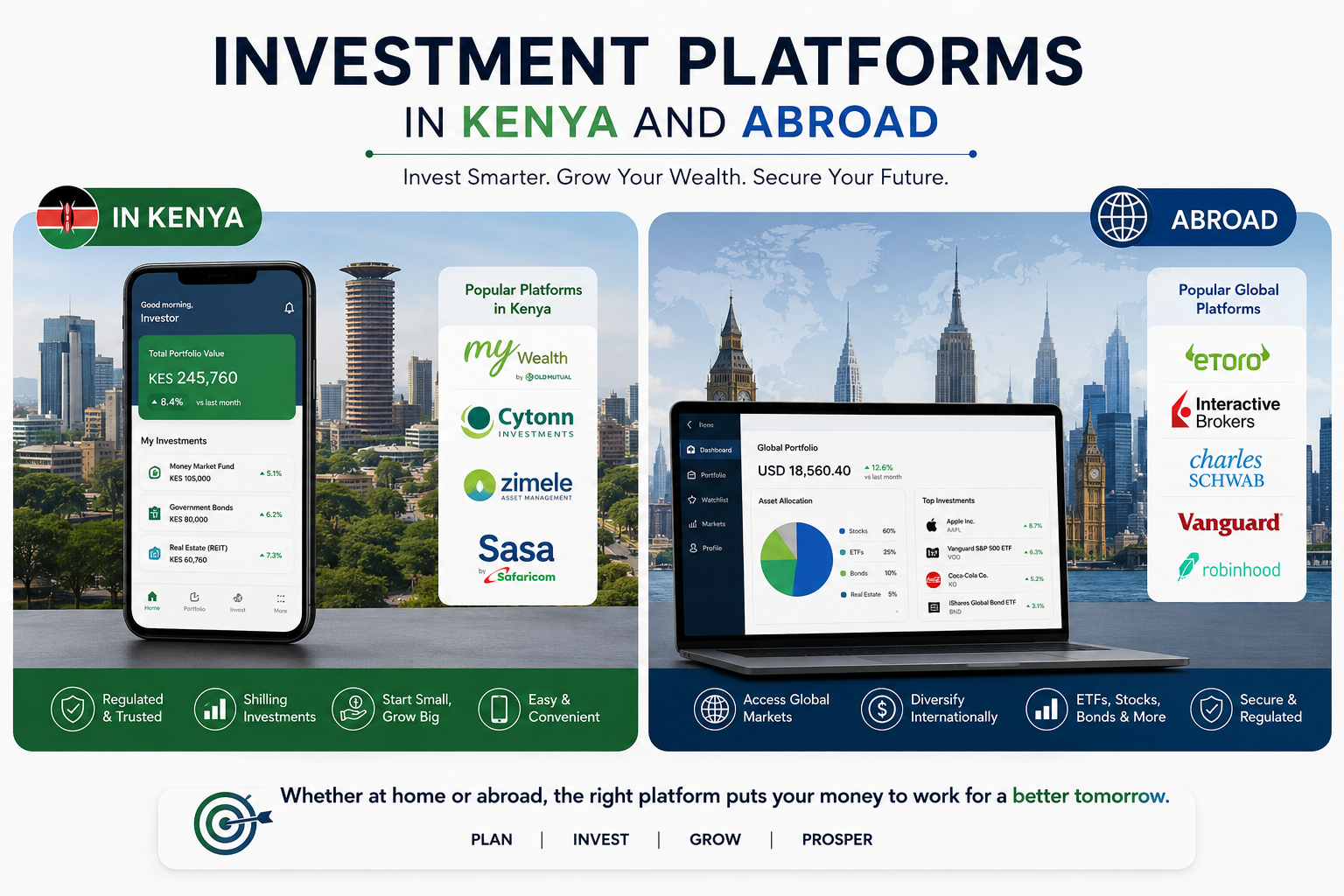
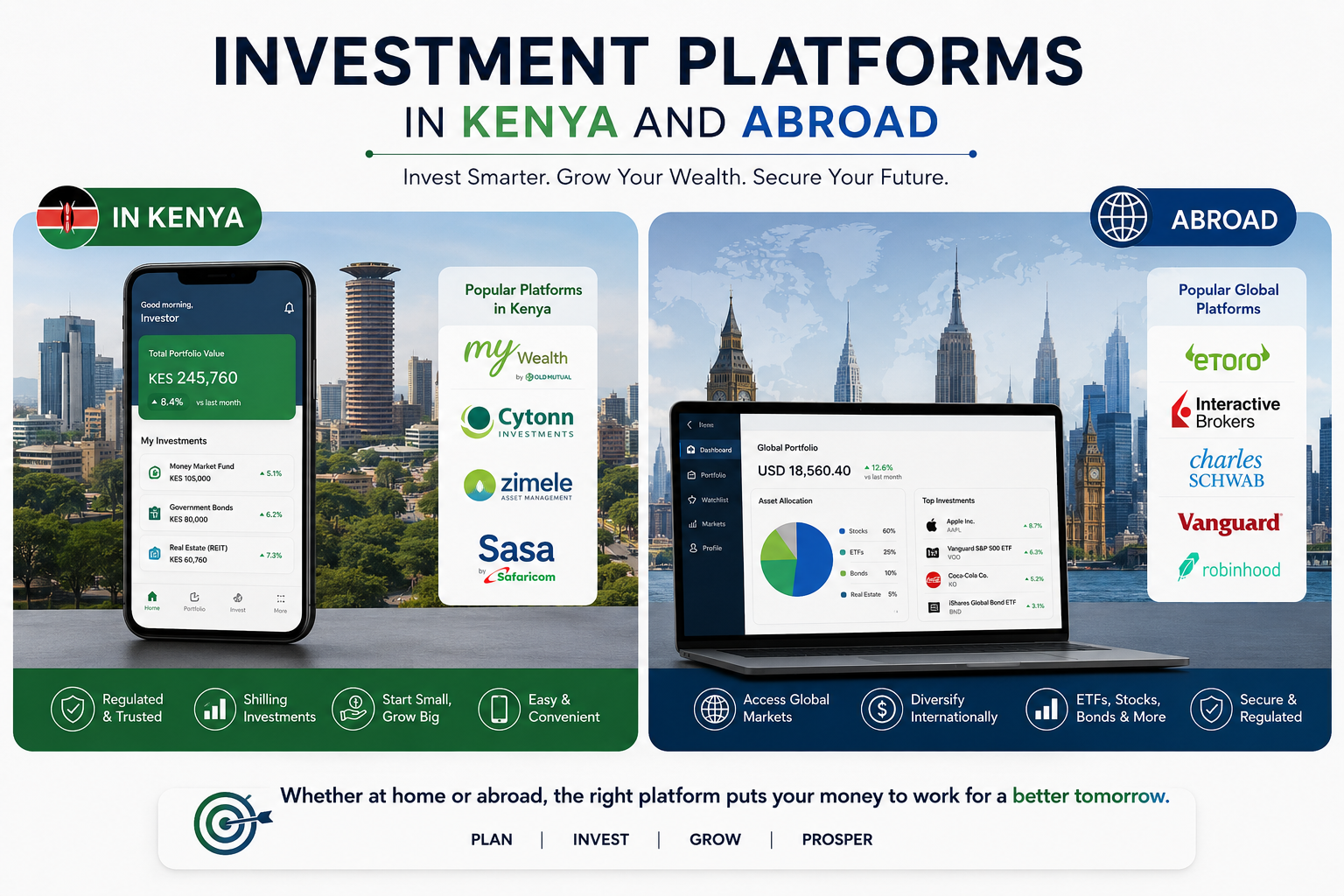
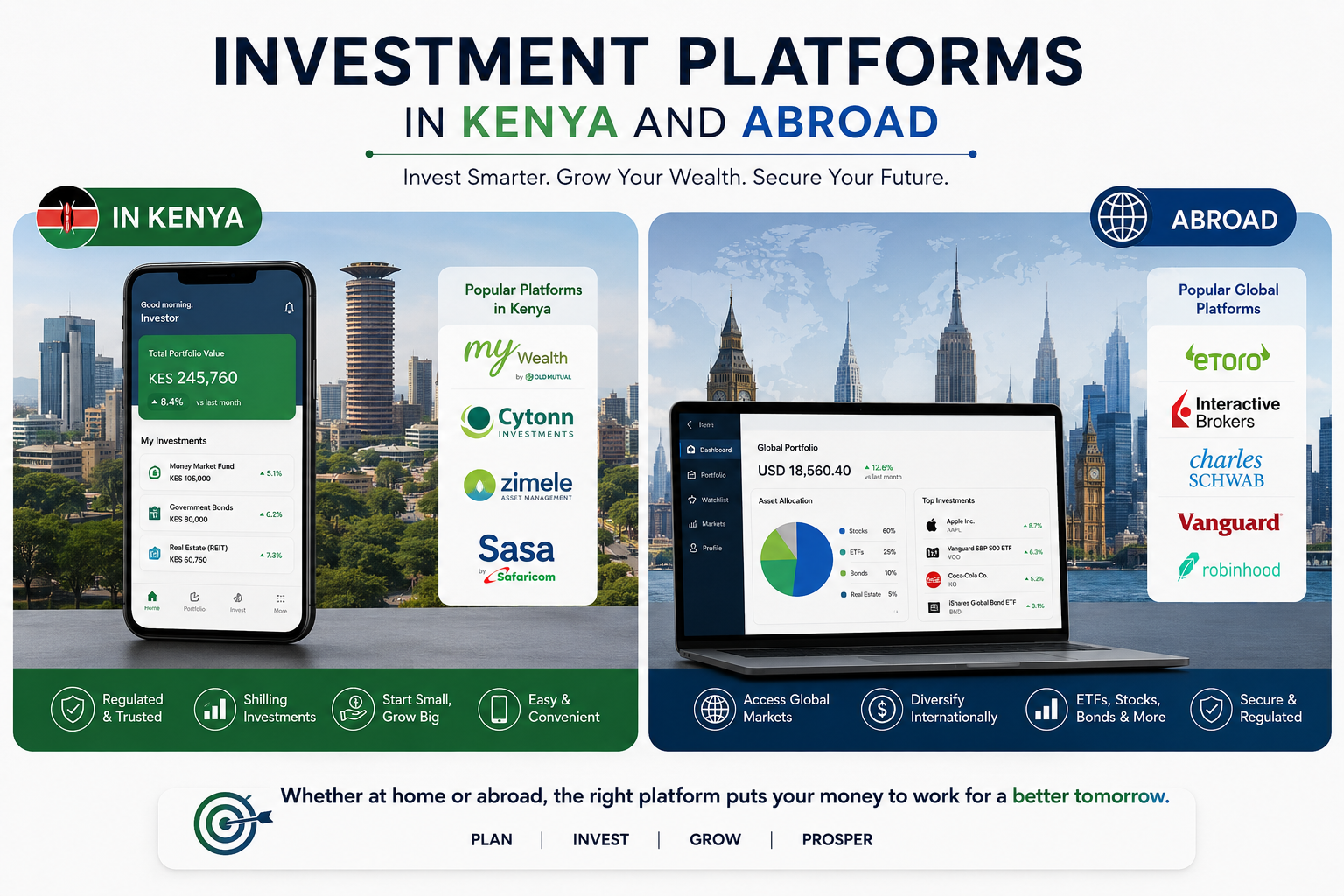
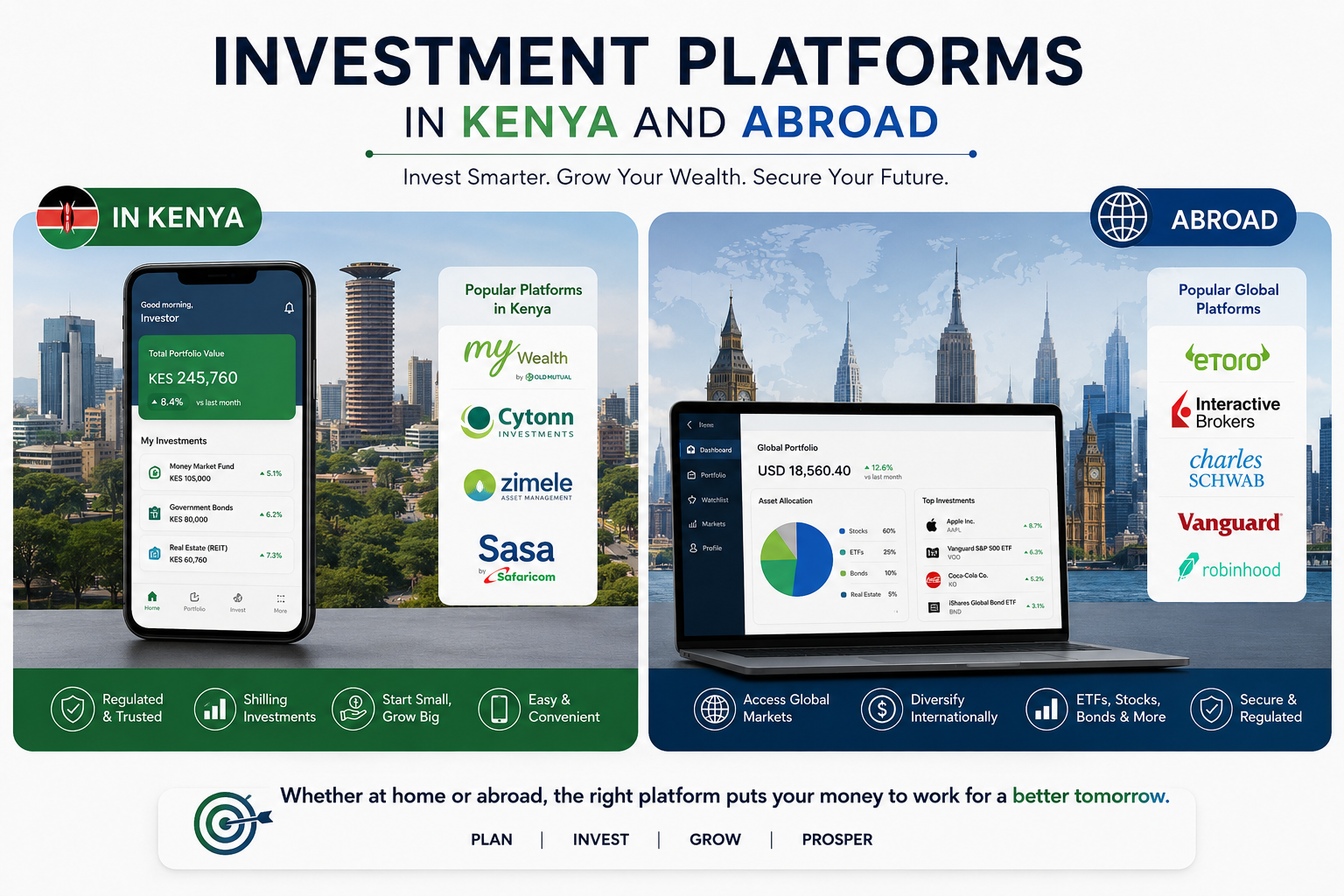
Money Market Funds: Offered by most fund managers (e.g., CIC, Zimele), they pool investor money into short-term, interest-bearing instruments. They are liquid, relatively stable, and a great first step.
Graduating to Growth Assets: As your knowledge and risk appetite grow, explore:
The Nairobi Securities Exchange (NSE): You can invest in shares of blue-chip companies through a CDS account opened with a licensed stockbroker. Consider starting with a low-cost Unit Trust that invests in a basket of stocks.
Real Estate Investment Trusts (REITs): These allow you to invest in large-scale property projects without the massive capital needed to buy land or a building outright.
Collective Investment Schemes: Regularly contributing to a managed fund can be a hands-off way to build a diversified portfolio.
Conclusion: Your Purpose Awaits
The path from pesa to purpose is a marathon, not a sprint. There will be setbacks and months where the budget breaks. The key is consistency, not perfection. Every shilling saved from unnecessary debt, every contribution to your emergency fund, and every step taken to understand your credit or plan for retirement is a brick in the foundation of your future freedom.
Financial discipline is not about restriction; it’s about empowerment. It’s the tool that allows you to say “yes” to the opportunities that matter, to weather life’s storms with confidence, and to build a legacy that extends beyond your lifetime. Start today. Audit your debts, open that separate savings pot, and take one small action. Your future self—secure, empowered, and living on purpose—will thank you for the blueprint you begin to build right now.