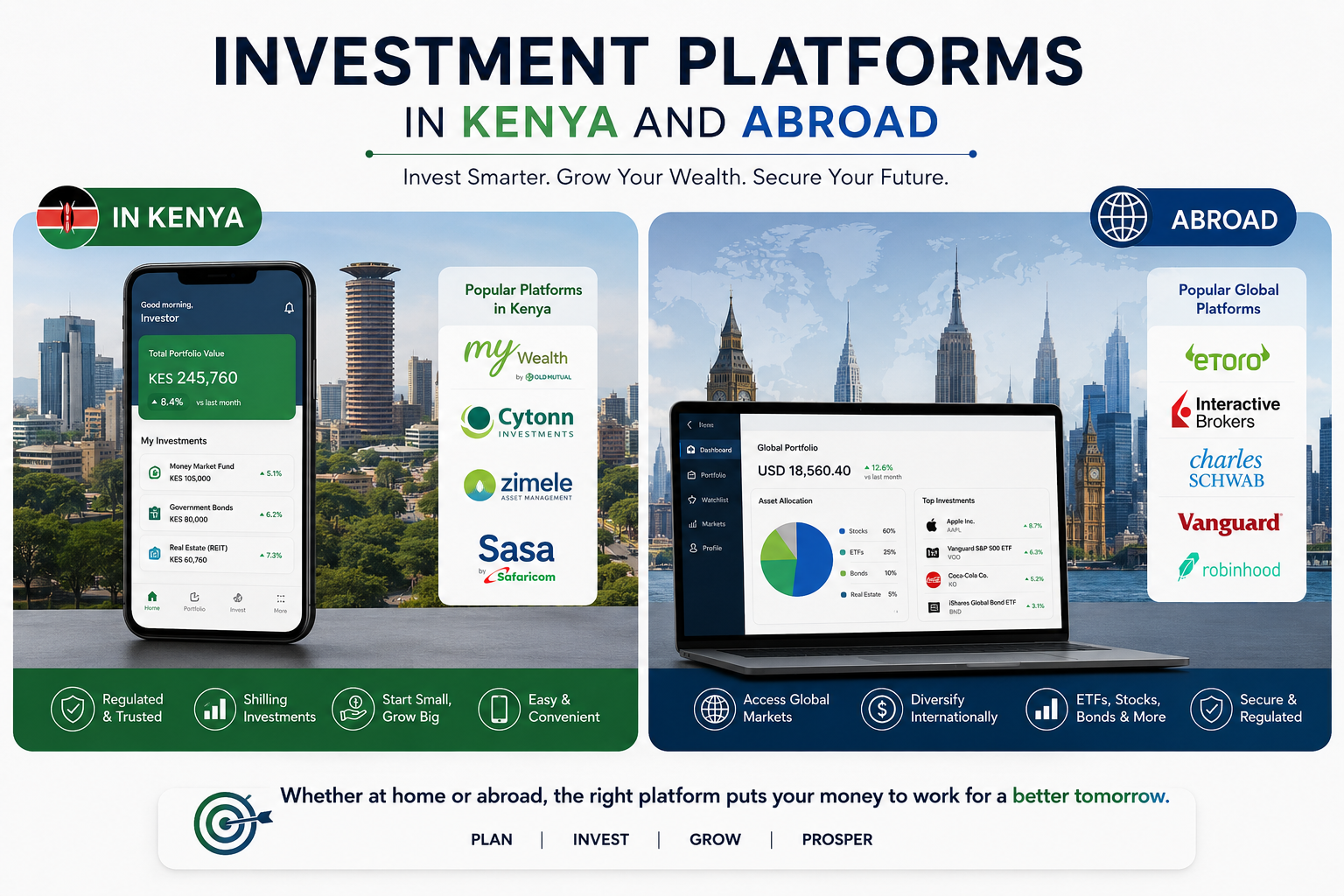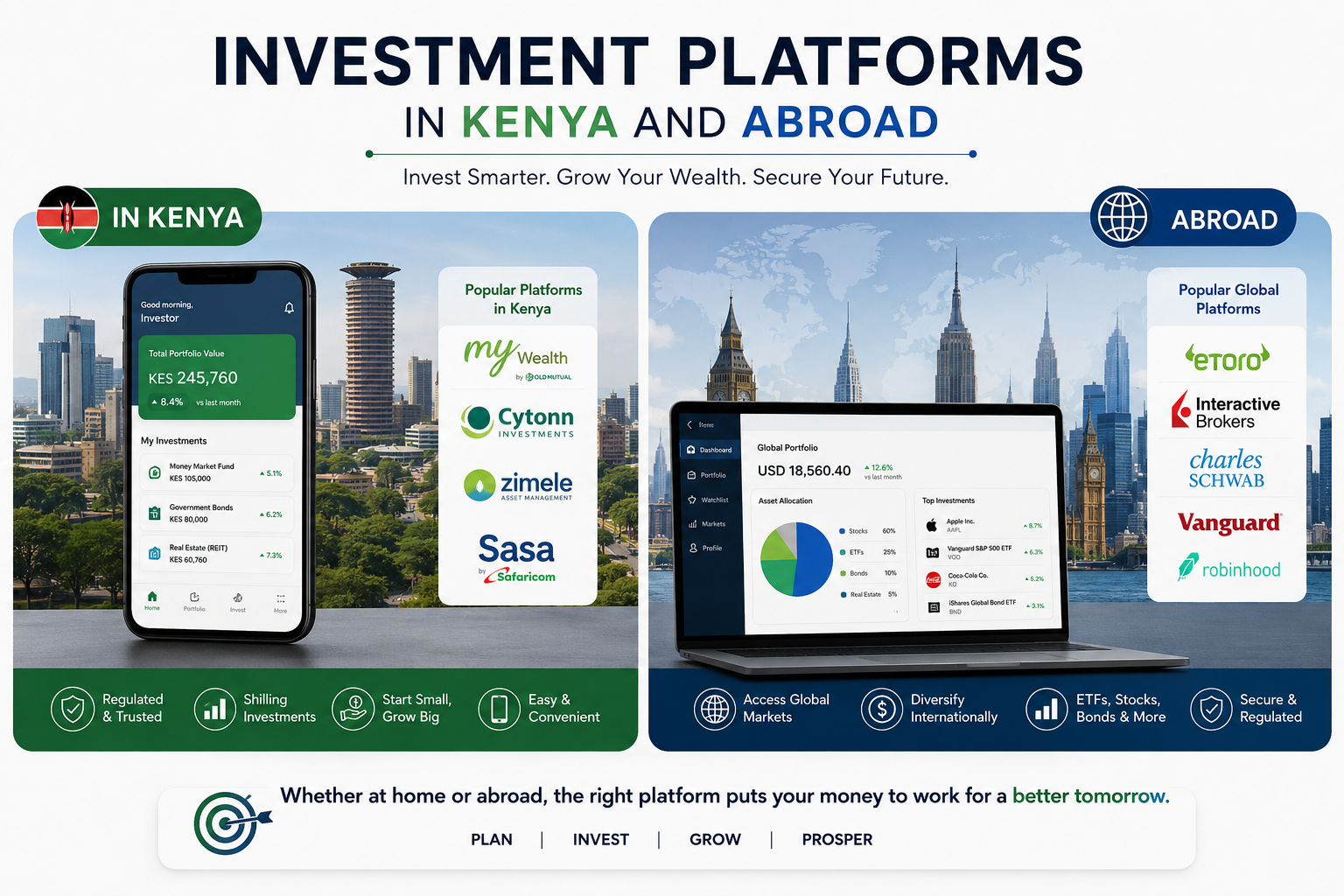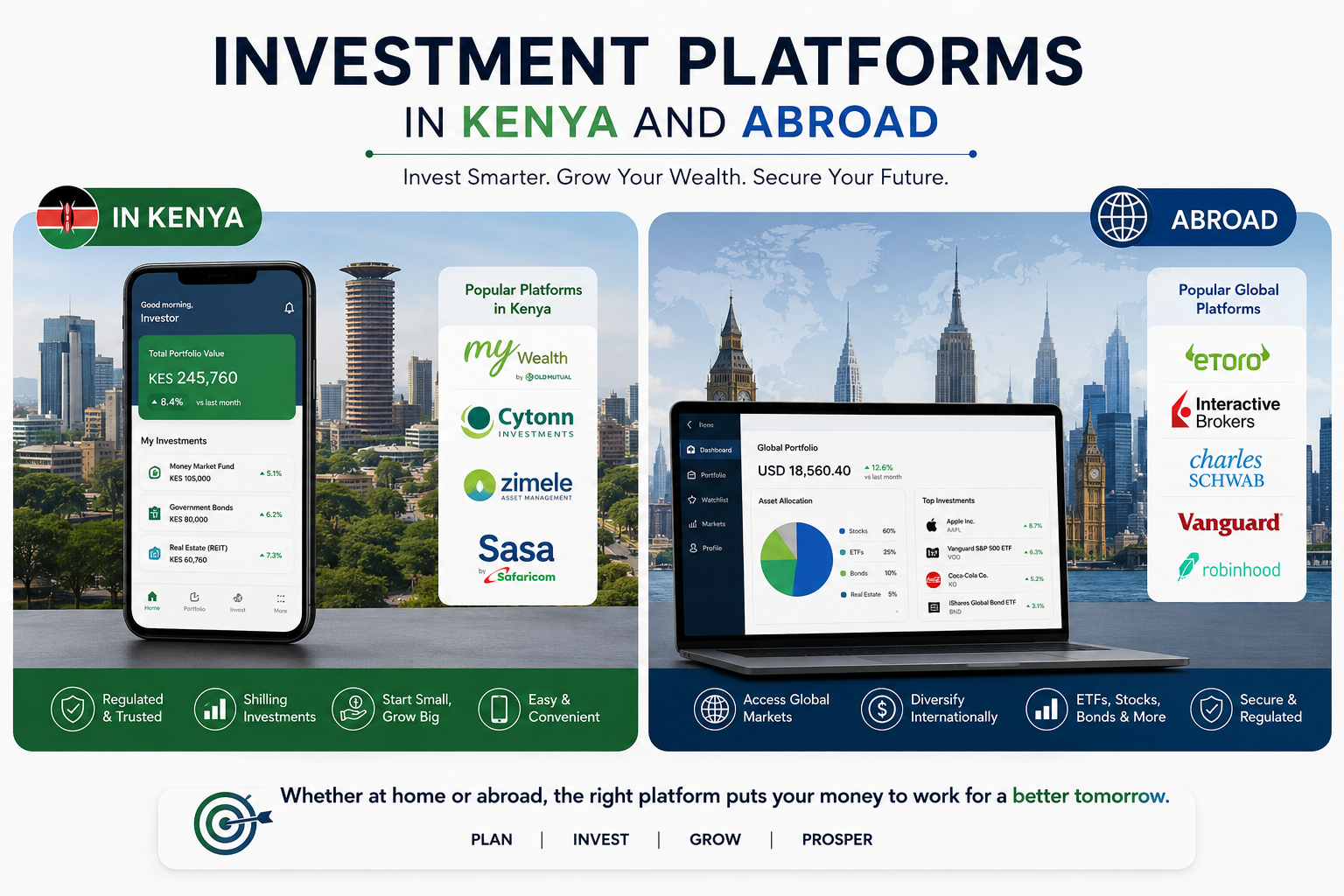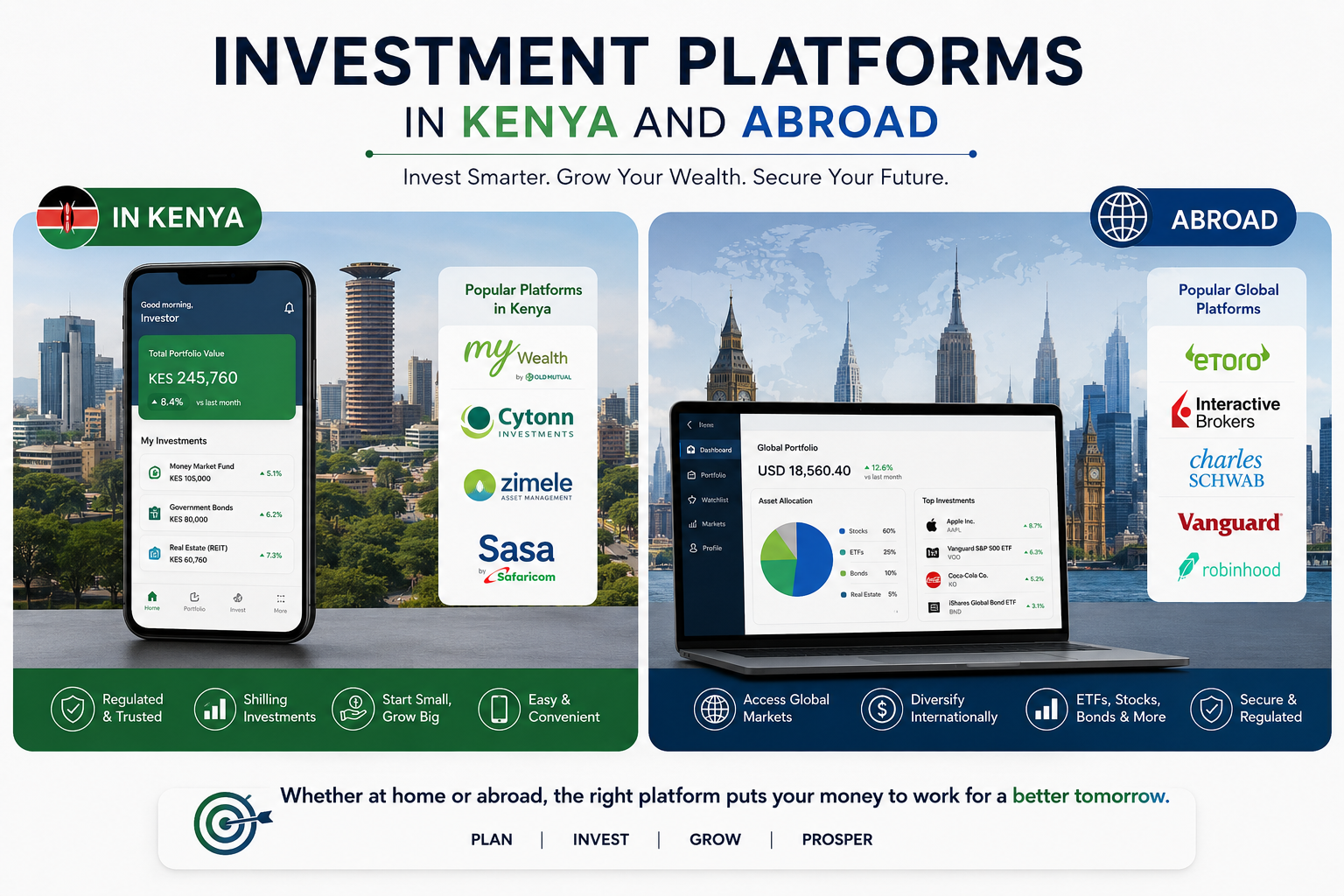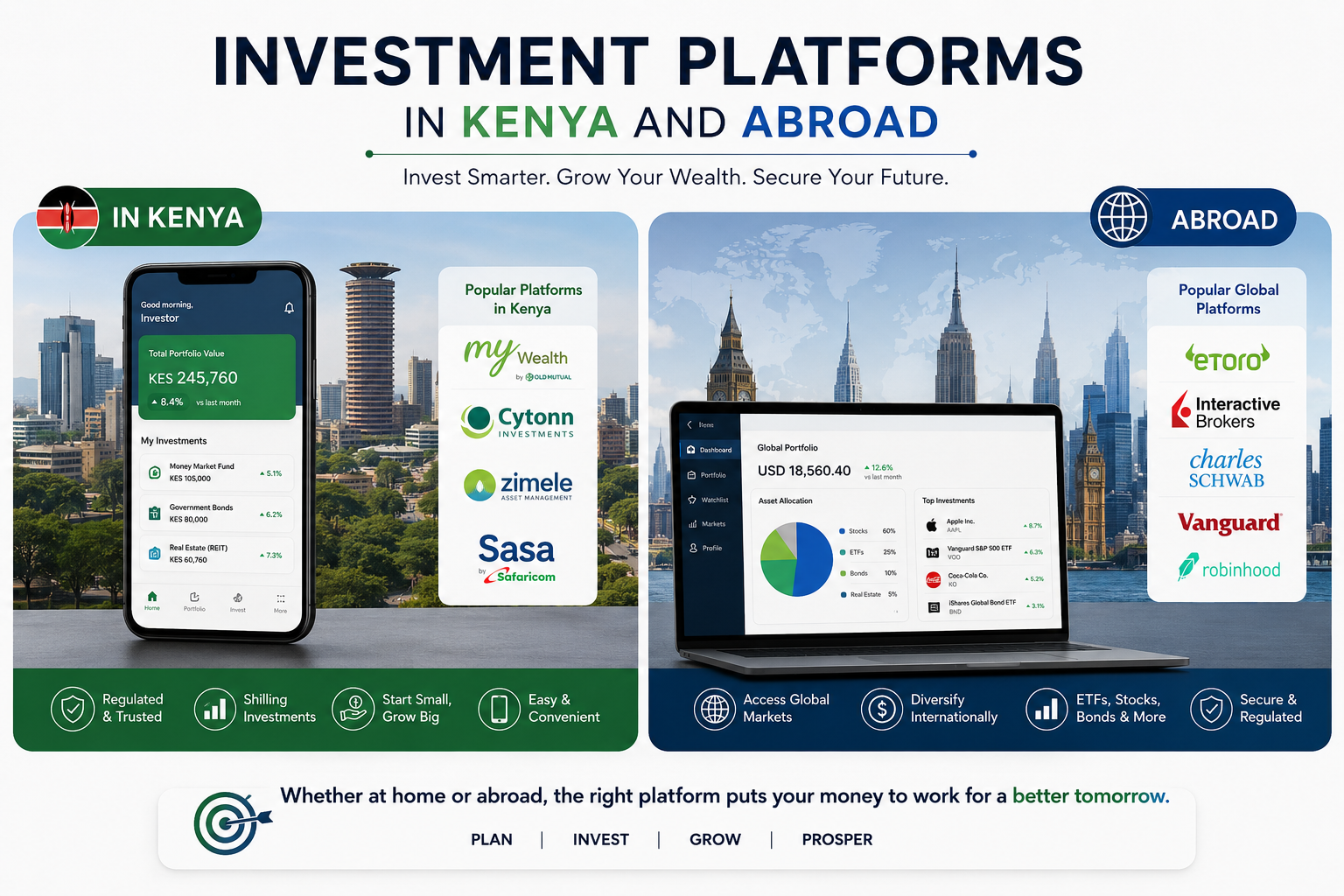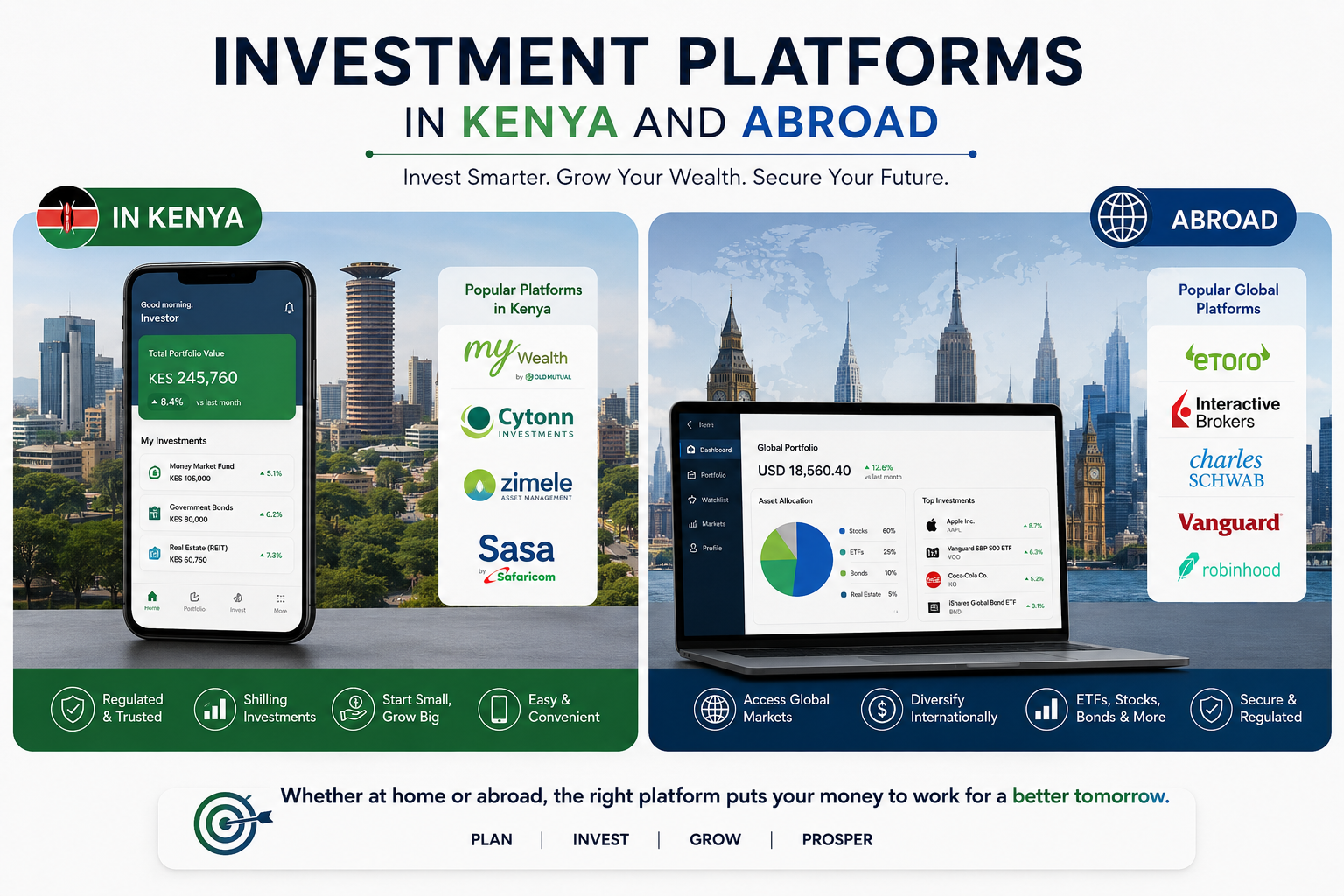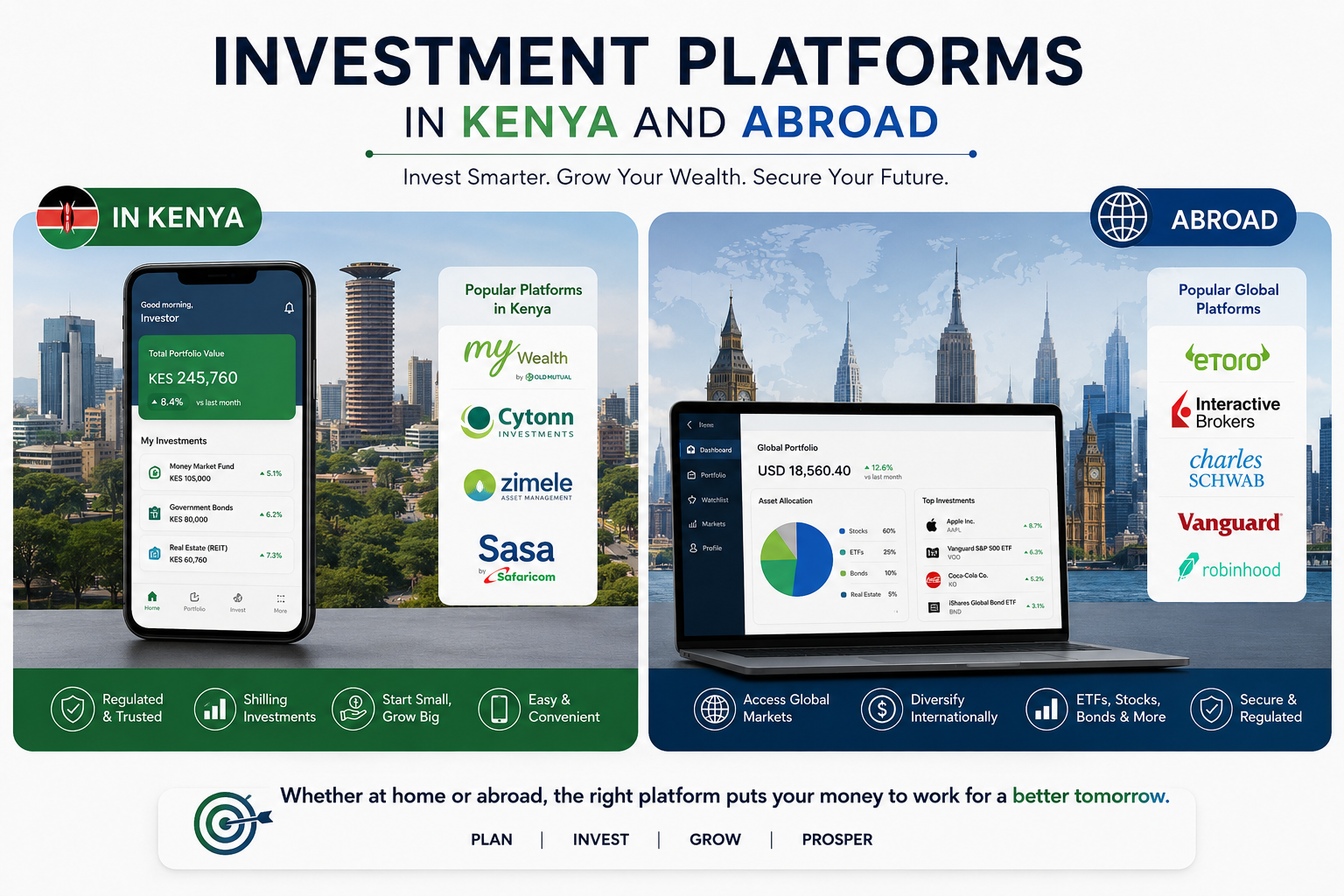
Kenya has firmly established itself as Africa's technological and financial innovation hub, and its online trading scene is no exception. From the bustling streets of Nairobi to the expanding digital networks across the country, a growing number of Kenyans are turning to online trading platforms to grow their wealth, hedge against inflation, and participate in global financial markets. This comprehensive guide explores the dynamic world of online trading in Kenya, providing you with the knowledge to navigate this exciting landscape safely and effectively.
The Rise of the Digital Trader in Kenya
Fueled by high mobile penetration (over 90%), widespread internet access, and a young, tech-savvy population, Kenya's online trading ecosystem is booming. The Capital Markets Authority (CMA) of Kenya has been progressively licensing and regulating platforms, bringing legitimacy and security to the space. Kenyans are no longer limited to traditional real estate or savings accounts; they can now trade a vast array of assets from their smartphones or computers.
What Can You Trade in Kenya?
Modern platforms offer a diverse range of asset classes:
Foreign Exchange (Forex): The most popular market, involving currency pairs like USD/KES, EUR/USD, and GBP/JPY.
Contracts for Difference (CFDs): These allow you to speculate on the price movements of global stocks (like Apple, Amazon), indices (S&P 500, FTSE 100), commodities (oil, gold, coffee), and cryptocurrencies (Bitcoin, Ethereum) without owning the underlying asset.
Local Equities: Some platforms are integrated with the Nairobi Securities Exchange (NSE), allowing direct trading of shares in companies like Safaricom, Equity Bank, and Kenya Airways.
Exchange-Traded Funds (ETFs): Baskets of securities offering diversified exposure to sectors, regions, or themes.
Top Features to Look for in a Kenyan Trading Platform
Choosing the right platform is critical. Here’s what to prioritize:
Regulation & Security: This is non-negotiable. Ensure the platform is licensed by the Capital Markets Authority (CMA) in Kenya and/or reputable international bodies like the FCA (UK) or CySEC (Cyprus). Look for features like client fund segregation and two-factor authentication (2FA).
Trading Costs: Understand the fee structure:
Spreads: The difference between buy and sell prices. Tighter spreads mean lower costs.
Commissions: Fees per trade, common for stock trading.
Overnight Financing/Swap Rates: Fees for holding leveraged positions overnight.
Deposit/Withdrawal Fees: Especially important for bank charges and currency conversion.
Platform & Tools: A user-friendly, stable platform is essential. MetaTrader 4 (MT4) and MetaTrader 5 (MT5) are industry standards, offering advanced charting, indicators, and automated trading. Proprietary platforms should be equally robust.
Asset Selection: Does the platform offer the markets you're interested in (Forex, CFDs on US stocks, cryptocurrencies, etc.)?
Local Support & Deposits: Platforms with dedicated Kenyan Shilling (KES) accounts, local customer support (phone, WhatsApp, email), and seamless integration with popular payment methods like M-Pesa, Airtel Money, and local bank transfers significantly ease the trading journey.
Educational Resources: Quality platforms invest in their clients' success through webinars, tutorials, market analysis, and demo accounts. A demo account is vital for practicing risk-free.
Leading Online Trading Platforms Accessible in Kenya
Here’s an overview of prominent platforms serving the Kenyan market (Always verify current status directly with the provider):
Exness: Known for its low spreads and instant M-Pesa withdrawals, it's highly popular among Kenyan forex and CFD traders. Offers MT4 and MT5.
XM Group: Provides a vast range of assets, strong educational resources, and excellent customer support. Welcomes Kenyan traders and supports local deposits.
FP Markets: Praised for its raw spreads and ASIC regulation, it's a favorite for more experienced traders seeking a direct market access feel.
IC Markets: Another top choice for low-cost, high-volume trading with deep liquidity. Offers MT4, MT5, and cTrader.
OctaFX: Offers competitive conditions, educational resources, and has a significant user base in Kenya.
Local & Regional Brokers: Several CMA-licensed brokers in Kenya offer direct access to the NSE and sometimes international markets, often with integrated M-Pesa functionality.
A Step-by-Step Guide to Getting Started
Educate Yourself: Before investing a single shilling, learn the basics of financial markets, risk management, and technical/fundamental analysis. Utilize free online courses and demo accounts.
Define Your Goals & Risk Appetite: Are you a day trader, swing trader, or long-term investor? Only risk capital you can afford to lose.
Choose & Verify Your Account: Select a regulated platform that fits your needs. Complete the KYC (Know Your Customer) process by submitting your ID (National ID/Passport) and a utility bill.
Fund Your Account: Use the designated payment method (e.g., M-Pesa) to deposit your initial capital. Start small.
Practice on a Demo Account: Test your strategies in a risk-free environment for at least a few weeks.
Start Live Trading: Begin with small position sizes. Use stop-loss orders on every trade to define your maximum risk.
Withdraw Profits: Familiarize yourself with the withdrawal process. It’s good practice to periodically withdraw some profits to secure your gains.
Crucial Risks & How to Mitigate Them
Market Risk: Prices can move against you. Mitigation: Use stop-loss orders and never over-leverage.
Leverage Risk: While leverage can amplify profits, it also amplifies losses exponentially. Use it judiciously.
Platform Risk: Choosing an unregulated broker can lead to loss of funds. Mitigation: Only use licensed, reputable platforms.
Psychological Risk: Emotions like greed and fear lead to poor decisions. Mitigation: Develop and stick to a trading plan.
The Regulatory Landscape: The Role of the CMA
The Capital Markets Authority is the key regulator. It licenses and oversees Capital Markets Intermediaries, including online forex and CFD brokers operating in Kenya. Trading with a CMA-licensed broker ensures a level of investor protection, including dispute resolution mechanisms. Always check the CMA's website for their list of licensed entities.
Tax Implications for Kenyan Traders
The Kenya Revenue Authority (KRA) considers income from trading as taxable. Profits from trading activities are typically viewed as business income or capital gains. It is crucial to maintain clear records of all your trades, deposits, and withdrawals. Consult with a tax professional to understand your specific obligations and ensure compliance.
The Future of Online Trading in Kenya
The trajectory points towards greater growth. We can expect:
Increased regulation and investor protection.
Integration of more African assets as regional exchanges develop.
Growth in cryptocurrency and blockchain-based trading.
Enhanced educational initiatives from both brokers and financial literacy organizations.
Final Thoughts: Empowering Your Financial Future
Online trading platforms have democratized access to global financial markets for Kenyans. They offer unprecedented opportunity but are not a shortcut to instant wealth. Success requires education, discipline, prudent risk management, and continuous learning.
Begin your journey by treating trading as a serious skill to be mastered. Start with a demo account, choose a platform that is both reputable and suited to Kenyan traders, and never stop learning. By approaching the markets with knowledge and caution, you can effectively leverage these digital tools as part of a broader strategy for financial growth and security.
Disclaimer: This article is for informational and educational purposes only. It does not constitute financial advice. Trading leveraged products like Forex and CFDs carries a high level of risk and may not be suitable for all investors. You could lose more than your initial deposit. Always conduct your own research and consider seeking advice from an independent financial advisor.